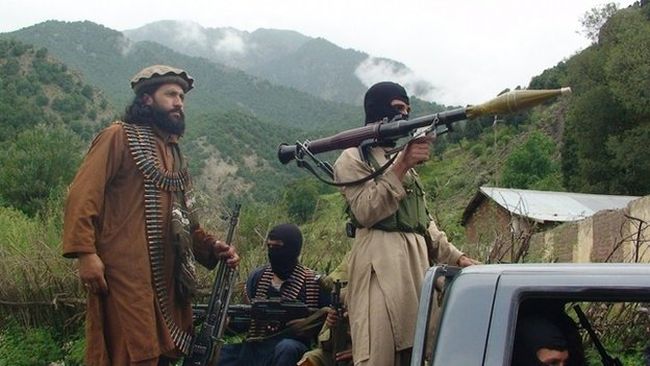
Establishing a counter terrorism force
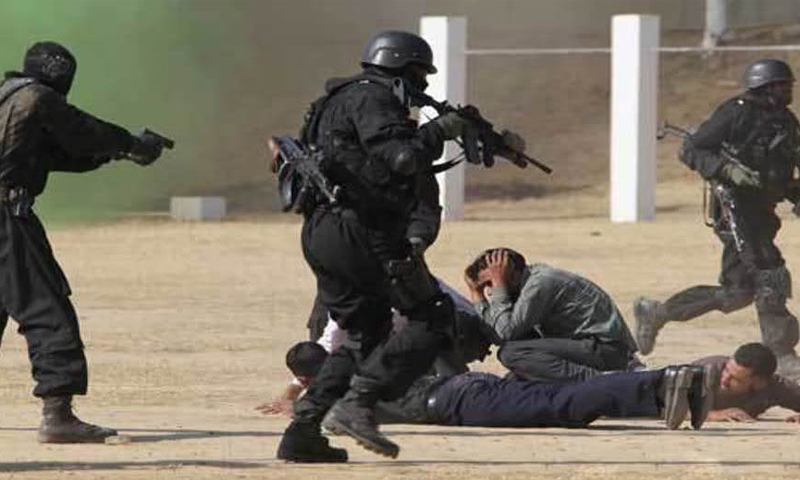
Many efforts similar to NAP were made in the past. In May 2014, for instance, the National Internal Security Policy (NISP) 2014-18 was presented, having many features similar to the NAP such as: reforming madrassas, building capacity of security forces, raising anti-terrorist force, enhancing coordination among security agencies, dealing with Afghan refugees, and curbing terrorist … Read more
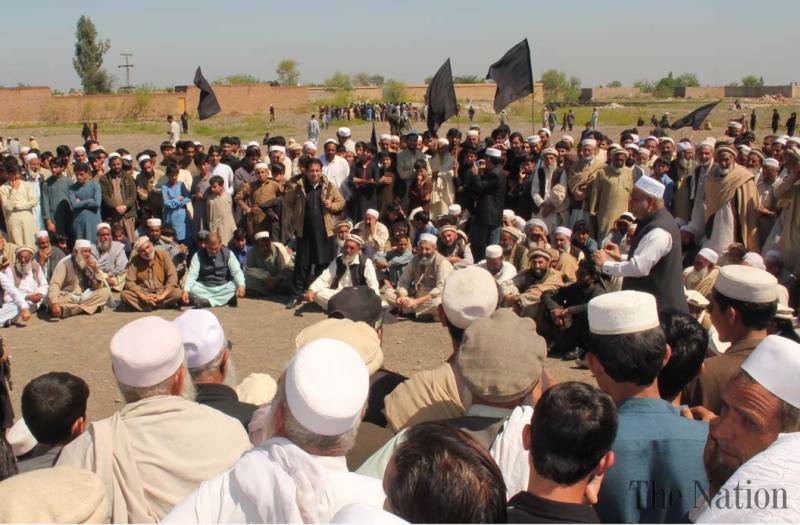
Zero tolerance for militancy in Punjab

n December 25th, 2014, nine days after Pakistani Taliban attacked Army Public School in Peshawar, killing 150, mostly children, the country’s political leadership approved a comprehensive 20-point National Action Plan against terrorism. Prime Minister Nawaz Sharif, in a televised address to the nation, described the incident as having “transformed the country.” Rare admission Beyond the … Read more

Pakistan: Monitoring the key regional powers (October 1 to December 16, 2014)

The purpose of this series of quarterly monitoring reports (2014) is to monitor and track the actions as well as public statements of five key STAP RP regional actors (India, Iran, Russia, China, SaudiArabia) on Pakistan; the development of, and their participation in relevant international and regional discussion meetings, including the Istanbul Process, Heart of … Read more

Pakistan: monitoring the key regional powers (July 1 to September 30, 2014)

Jointly produced by PIPS and Barcelona Centre for International Affairs, famous as CIDOB, this quarterly monitoring brief (December 15, 2013 to March 31, 2014) tracks the actions as well as public statements of five key STAP RP regional actors (India, Iran, Russia, China, Saudi Arabia) on Pakistan. A part of CIDOB’s program, “the Sources of … Read more

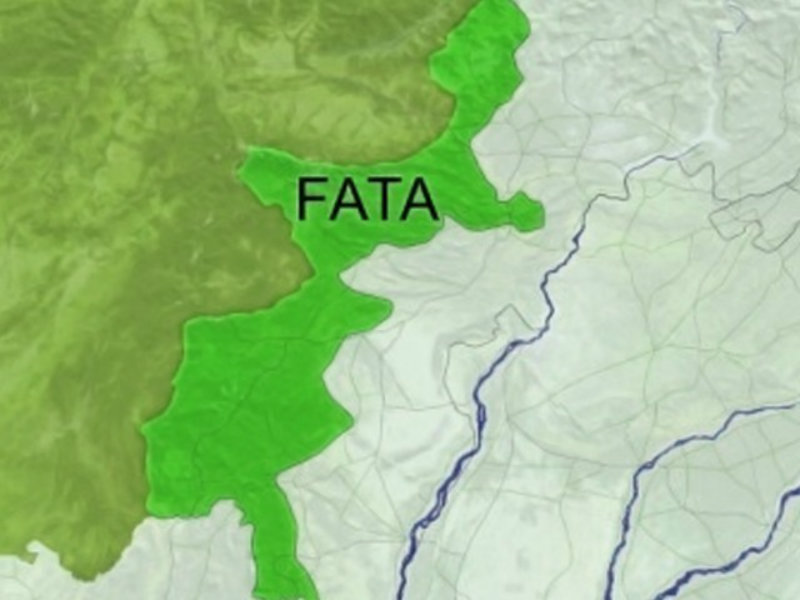
FATA reforms: Journey so far and the way forward

The  Federally  Administered  Tribal  Areas  (FATA) are  governed  through  the  1901  Frontier  Crimes Regulation (FCR), which was enacted by the British to promote their own interests. This system was once lauded  as  a  success  and  liked  by  the  tribesmen.  However,  at  present  the  system  is  widely  seen  as authoritarian—both in its form and essence—resulting in … Read more

Militant economy of Karachi

Karachi is Pakistan’s financial hub and its most populous city with an estimated population of 23.5 million as of April 2013 (Khan, 2012a). While Islamabad is the political capital, Karachi is the country’s foremost commercial and financial centre. It accounts for the lion’s share in Pakistan’s gross domestic product and generates at least 60 percent … Read more

Understanding North Punjab in the context of Pakistani diaspora in Britain

A census report by the Institute for Public Policy Research in London counted that 7.53 percent of Britain’s population in 2001 was born overseas.2 Among the top non-UK birthplaces of Britain’s population, Pakistan was ranked third after Republic of Ireland and India.3 British Pakistanis mainly hail from three parts of Pakistan and Azad Kashmir: Mirpur, … Read more

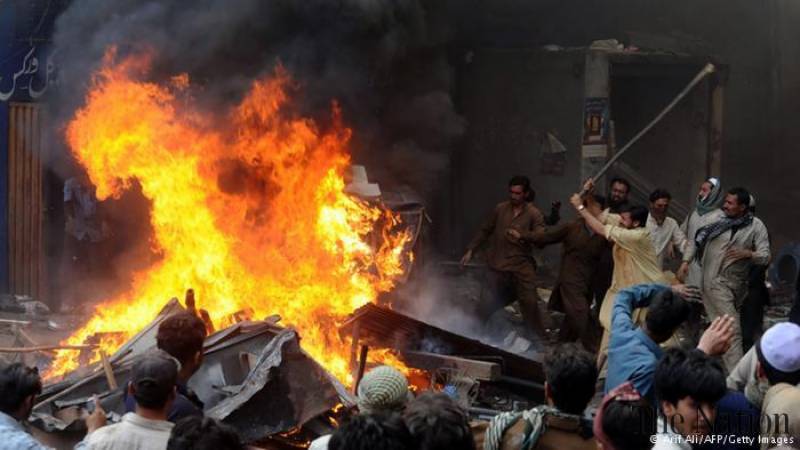
Mainstream media’s response to radical extremism

There  seems  to  be  broad  agreement  among  analysts  that  Pakistan  has  never  witnessed  worse manifestations of violence fuelled by radical extremism than it does today. Against this backdrop I want to focus on the mainstream media’s role instead of talking about the fringe jihadi media. It is obvious that the media cannot remain aloof from … Read more

Understanding FATA

The  Afghan  Islamists’  political  failure  to  produce  realistic  agendas  for  change1  is  cited  by  some analysts  as  an  example  of  the  failure  of  political  Islam.  Some  others  however  argue  that  Muslim societies  seem  to  have  been  characterized  in  the  20th  century  by  two  contradictory  structures.  The clan,  tribe  and  ethnic  group  does  not  seem  to … Read more

Militants media in Pakistan: Political etymology and professional craft

Dialogue The Pak Institute for Peace Studies (PIPS) organized a series of policy dialogues to seek expert opinion on a PIPS research report titled ‘Understanding Militants’ Print Media in Pakistan and its Impact’. The report maps the militants’ media, its genesis and evolution, and impact on the Pakistani state and society. The report also profiles … Read more