Potential of China’s Belt and Road Initiative in South Asia connectivity explored
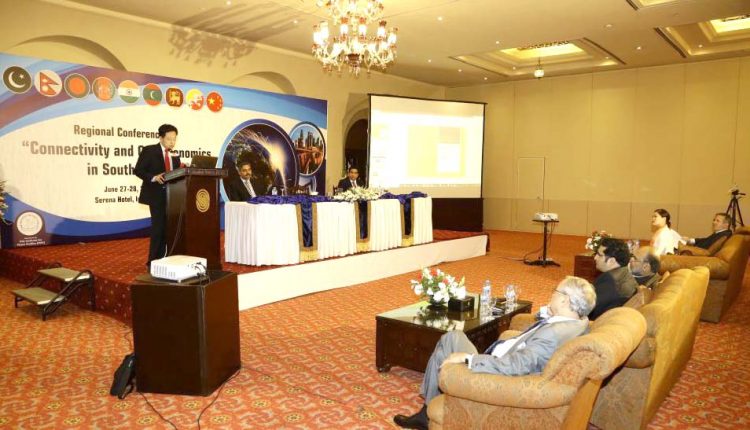
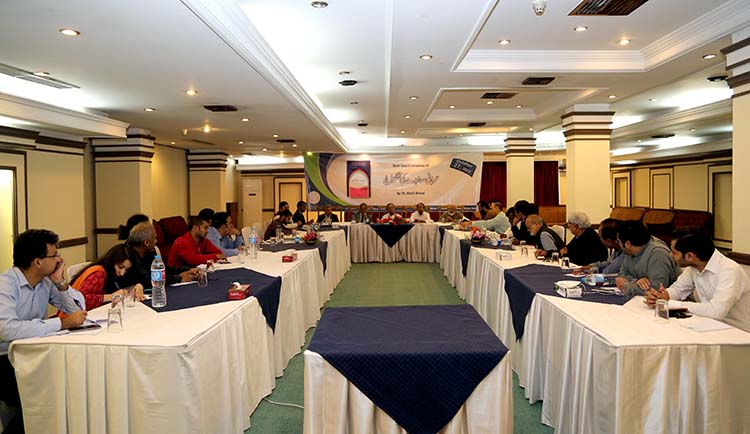
Participants at a two-day international conference on regional connectivity of South Asia explored the possibility of connecting one of the least integrated regions of the world, South Asia, and whether China’s Belt and Road Initiative (BRI) will be able to do so. They also explored the linkages between connectivity and stability, with one contributing to … Read more
Killings in Karachi: down, but not out

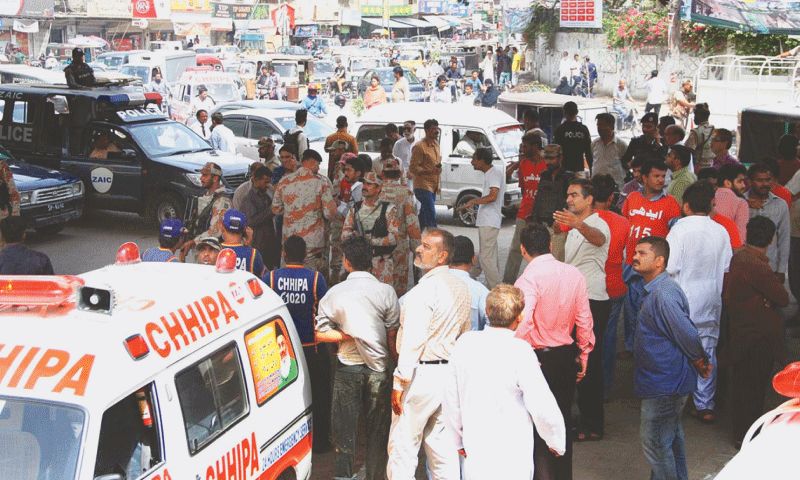
With the Rangers-led targeted operation aimed at restoring peace to Karachi entering its fourth year, there was marked improvement in the overall law and order situation in the city in the year 2016. However, even as fatalities from political violence and gang wars sharply declined in Karachi amid the ongoing operation, the city continued to … Read more

Bordering on blame game

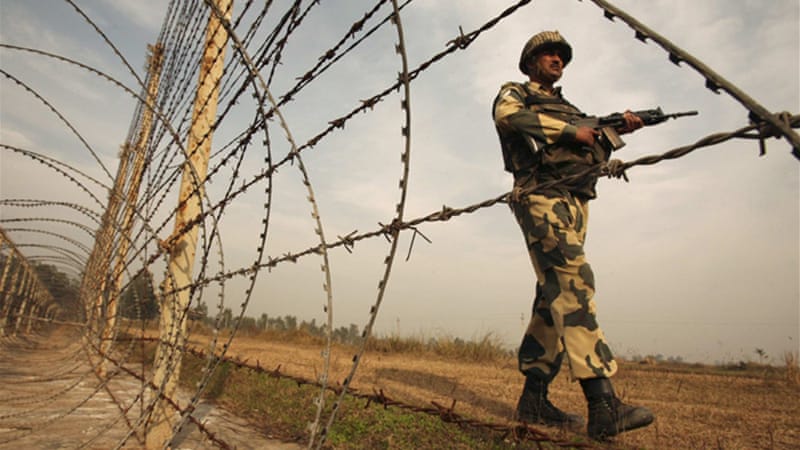
With several attacks along Pakistan’s western border with Afghanistan, security remained fragile in 2016.The most prominent attack was a suicide bomb during Friday prayers in a mosque in late September, killing 34 people. The outlawed Tehrik-e-Taliban Pakistan’s splinter group Jamaat-ul-Ahrar claimed responsibility, arguing the naïve notion that the slain people were part of the pro-government … Read more

A robust social contract puts people at center of the debate

On 27 October 2017, PIPS launched “Imraani Muahiday ki Tashkeel-i-Nau (Reconstruction of Social Contract)”, authored by Dr. Khalil Ahmed, a political philosopher. The event was attended by teachers, academics, media, and was chaired by educationist A.H Nayer. The chair noted with curiosity that the book repeatedly points that different sections of the society have been calling for … Read more

Reintegrating militants should follow process, engaging parliament, laying down criteria

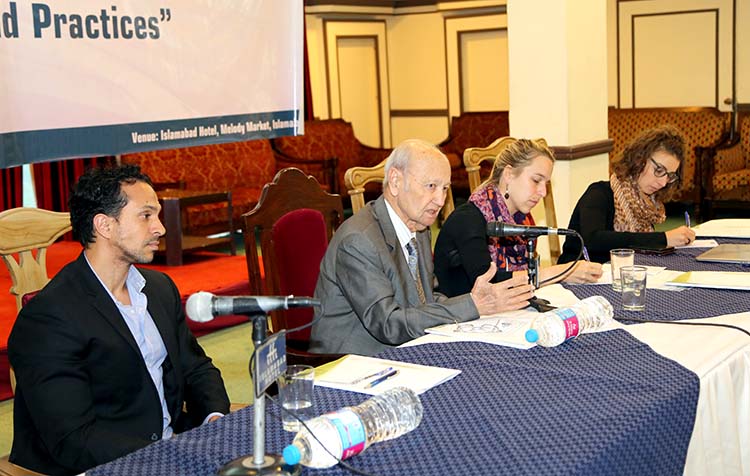
A discussion forum on ‘Reintegration of militants: processes and practices’ was organized by Pak Institute for Peace Studies on 24 October 2017. Besides PIPS team, three international experts shared their perspectives. The event, attended by media personnel, academics, diplomatic community and think tank representatives, was chaired by former defense secretary Lt. Gen (Retd) Talat Masood. … Read more

PIPS hosts dissemination workshop aimed at countering violent extremism in Punjab

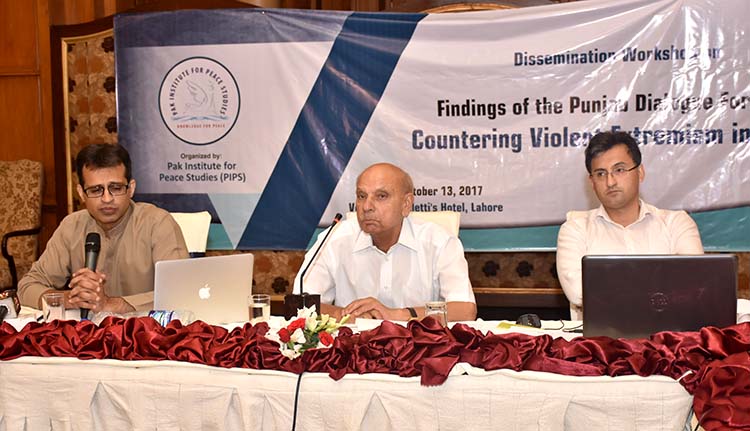
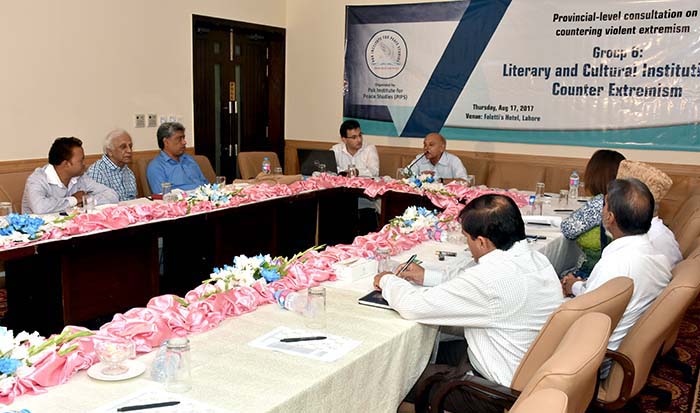
On 13 October 2017, PIPS hosted a dissemination workshop in Lahore, sharing findings of the six Punjab dialogue forums discussing different aspects of countering violent extremism in the province. The forums were attended by a mix of scholars, academics, policy makers and civil society representatives. The dissemination workshop was chaired by Kazi Javed who appreciated … Read more

De-weaponization will reduce violence; requires state efficiency, attitudinal changes

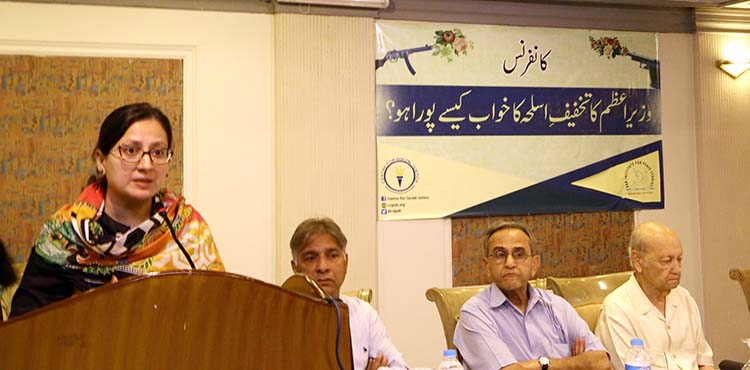
The need for de-weaponization is greatly felt in the country, where violence of multiple types, ranging from domestic to militancy, often resorts to easily-available weapons. Besides bringing upon attitudinal changes in the people to ward them off from display of weapons, the state should take lead role in ensuring efficient services especially security to the … Read more

‘Teachers can help curb emerging trend of radicalization in universities’

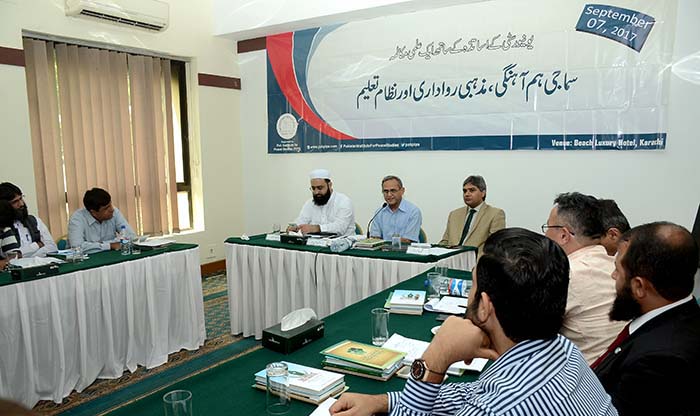
Teachers in a day-long dialogue agreed that radicalization in the country is a multi-faceted phenomenon, hitting diverse segment of society, including students. Increasingly, some of them are reported to have fallen for radical messages through social media; others are unable to condemn the act of militants openly out of their deep-set biases. To overcome this … Read more

“Scholarly spaces can scientifically diagnose extremism in Punjab”

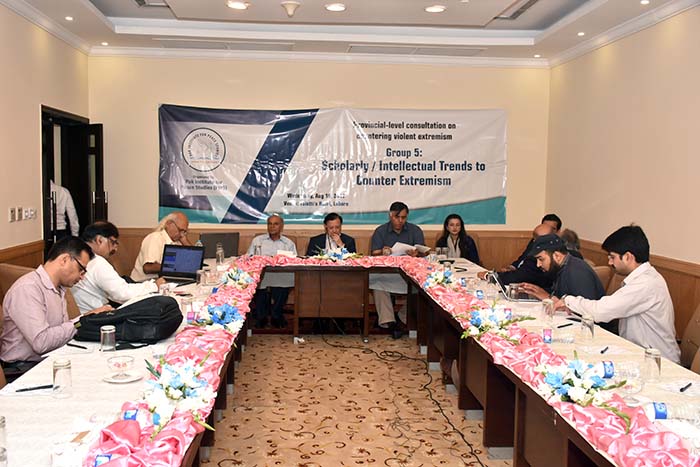
Provincial Dialogue Forum – 5 Scholars and intellectuals shall be provided prominence in the society to counter extremist sympathies in Punjab. In universities and colleges, intellectual debates shall be encouraged. Only then can they break the mould of extremism. These thoughts came in the fifth provincial dialogue forum on Punjab, held in Lahore, on 16 … Read more