Sindh Report

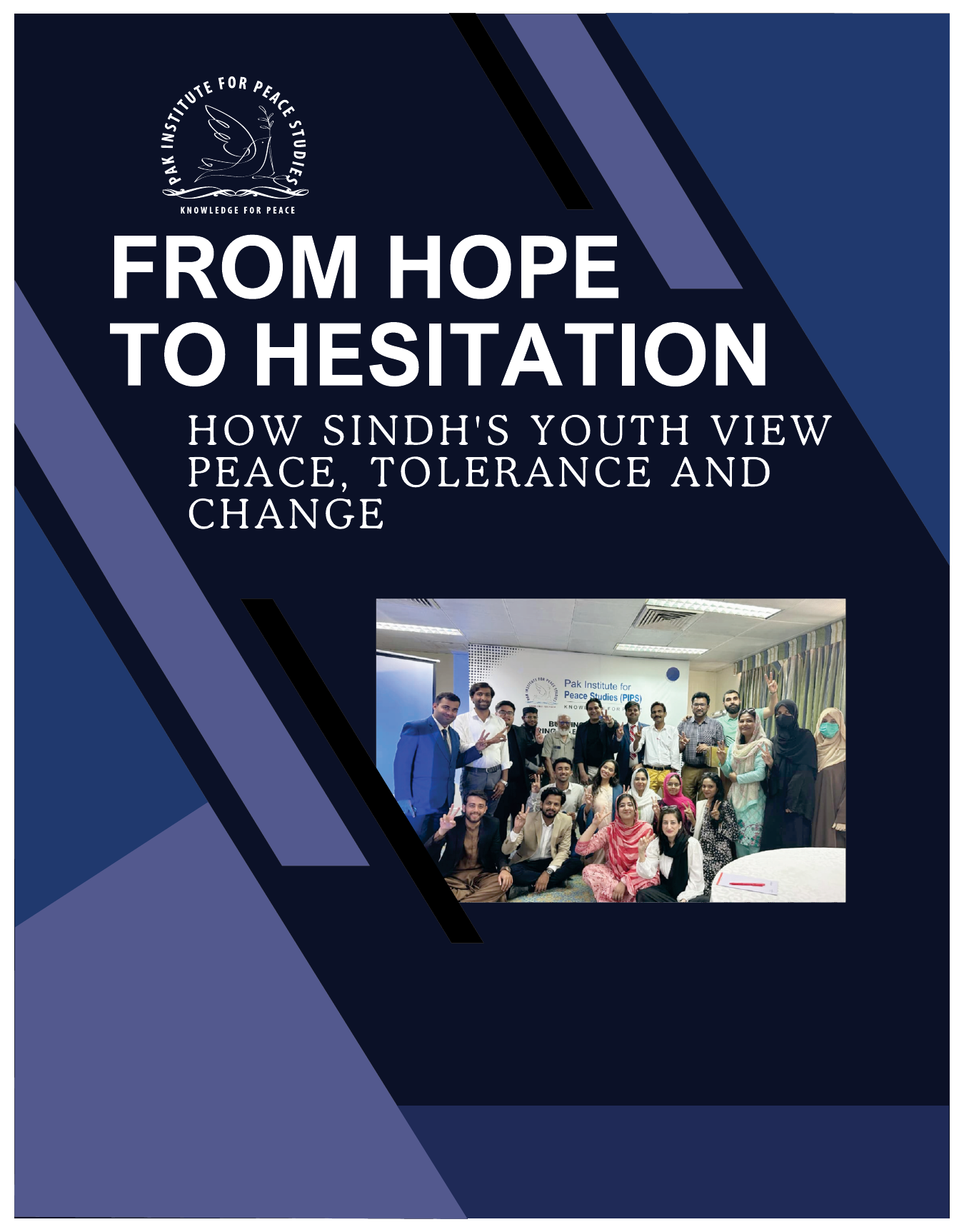
This report, based on a mixed-methods study by the Pak Institute for Peace Studies (PIPS), reveals a profound paradox among educated Pakistani youth in Sindh: a generation that is personally optimistic about its future but deeply concerned about the state of society and the efficacy of its governing institutions. The study engaged 60 participants through … Read more
Punjab Report

This report presents the findings of a mixed-methods research study conducted by the Pak Institute for Peace Studies (PIPS) to assess the perceptions, attitudes, and worldviews of educated youth in Punjab concerning tolerance, inclusivity, and social cohesion in Pakistan. The study, undertaken in January-February 2025, combined quantitative survey data from 134 respondents from 196 participants … Read more

Khyber Pakhtunkhwa Report

This report is based on a comprehensive engagement with students and youth from Khyber Pakhtunkhwa. It draws on two two-day workshop-cum-dialogues, alongside extensive semi-structured surveys and interviews with participants. The purpose was to map and analyze young people’s perspectives on peace, harmony, and diversity, particularly their implications for minority communities and broader social cohesion. The … Read more

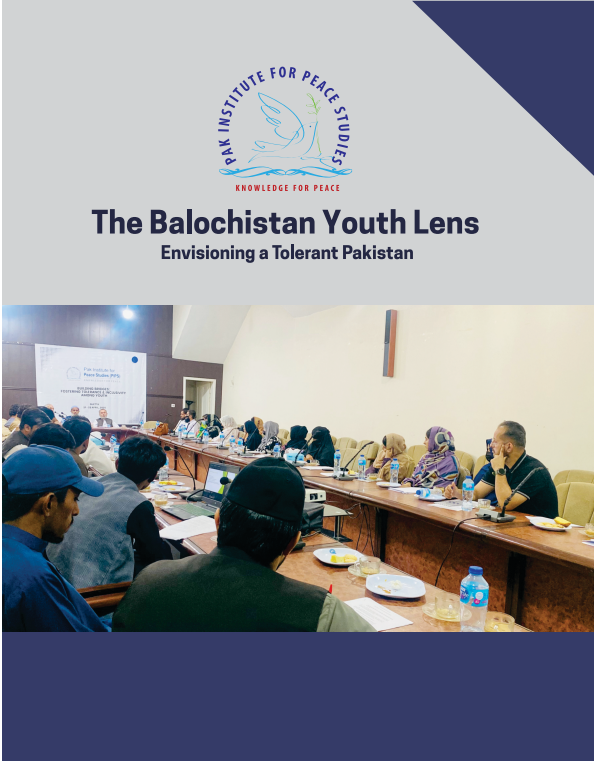
Balochistan Report

This survey study was conducted to assess general perceptions and social constructs regarding tolerance and inclusivity in society. It focused on critical issues associated with social structures, particularly concerning minorities and underrepresented groups. The findings provide insights into the attitudes of different demographics, especially youth from diverse backgrounds such as educators, students, human rights activists, … Read more

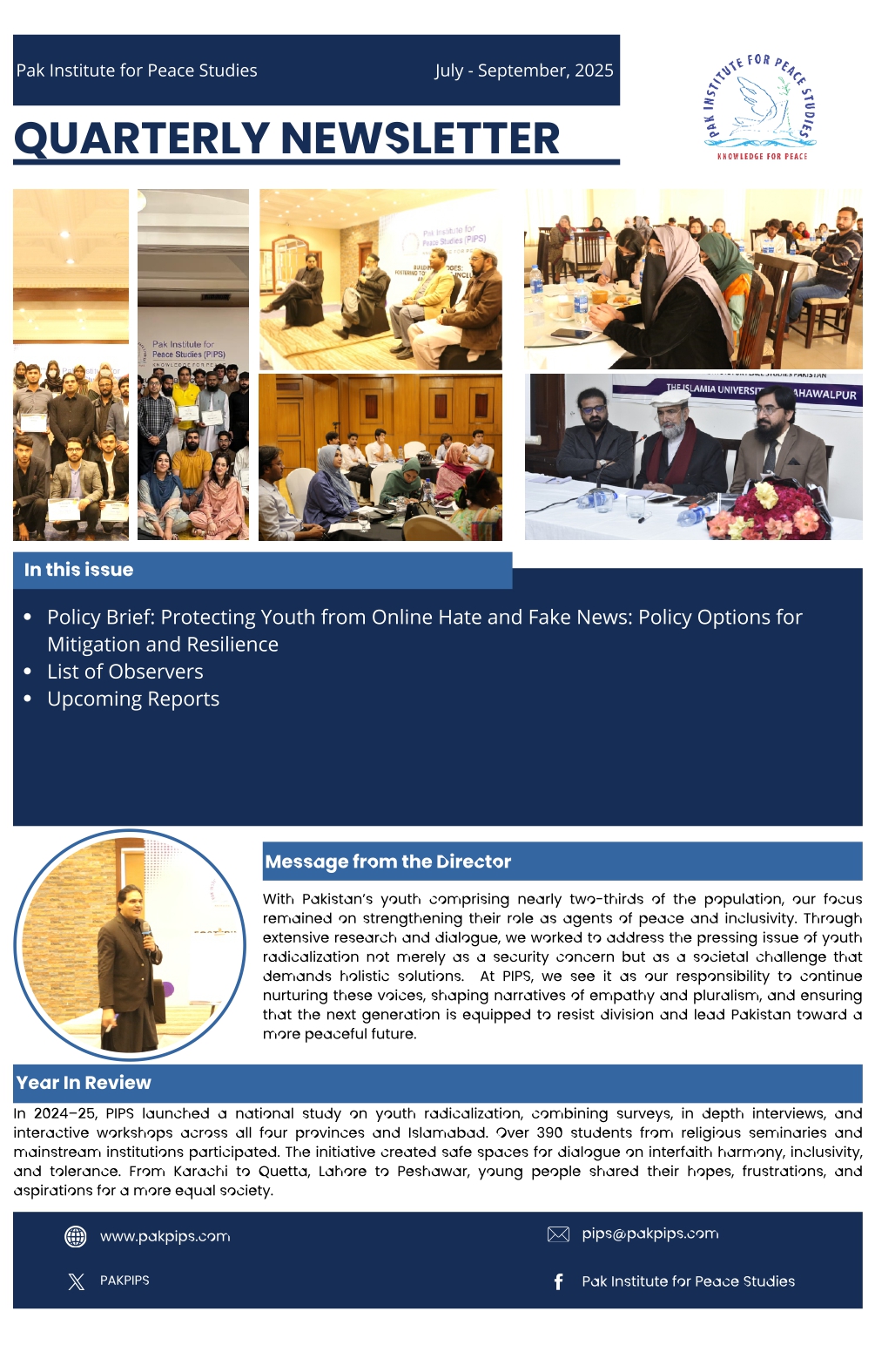
QUARTERLY NEWSLETTER | JULY-SEPTEMBER, 2025

With Pakistan’s youth comprising nearly two-thirds of the population, our focus remained on strengthening their role as agents of peace and inclusivity. Through extensive research and dialogue, we worked to address the pressing issue of youth radicalization not merely as a security concern but as a societal challenge that demands holistic solutions. At PIPS, we … Read more

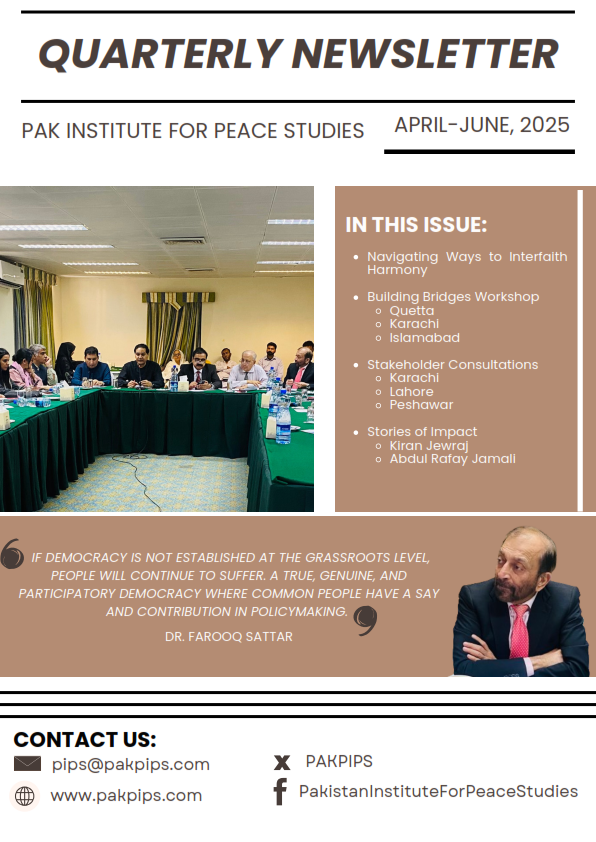
QUARTERLY NEWSLETTER | APRIL-JUNE, 2025

Freedom of religion or belief in Pakistan remains under serious threat, with religious minorities facing growing discrimination, violence, and the continued misuse of blasphemy laws. Despite some security at religious sites, targeted attacks persist, highlighting the need for more effective and comprehensive measures. Pak Institute for Peace Studies (PIPS) organized a stakeholder consultation in Karachi … Read more

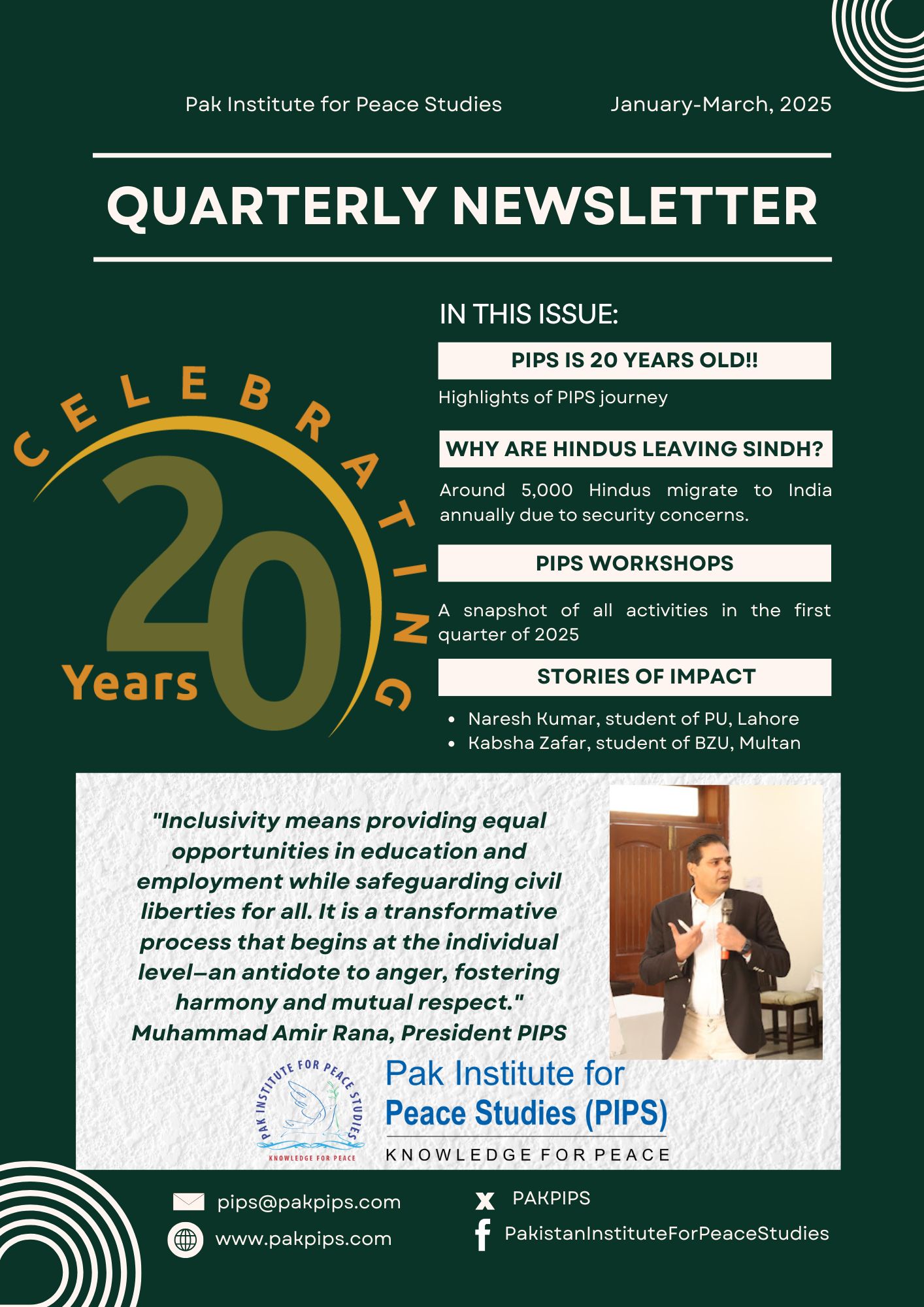
According to the 2023 census, the population of Pakistan is 241.5 million. Hindus are the largest minority, comprising 5.2 million, which constitutes 1.6% of the population classified as Hindu Jati and 0.6% as Scheduled Castes.[1] Most of the Hindu population in Pakistan is concentrated in Sindh, accounting for 8.8% of the province’s total population. Download

PAKISTAN SECURITY REPORT 2024: AN ABRIDGED VERSION

Marking a 70% increase from the previous year, Pakistan experienced a total of 521 terrorist attacks in 2024. This intensified wave of terrorism claimed 852 lives, reflecting a 23% rise compared to the terrorism-related fatalities recorded the year before. Another 1,092 people were injured in these attacks recorded during the year. Although terrorist attacks were … Read more

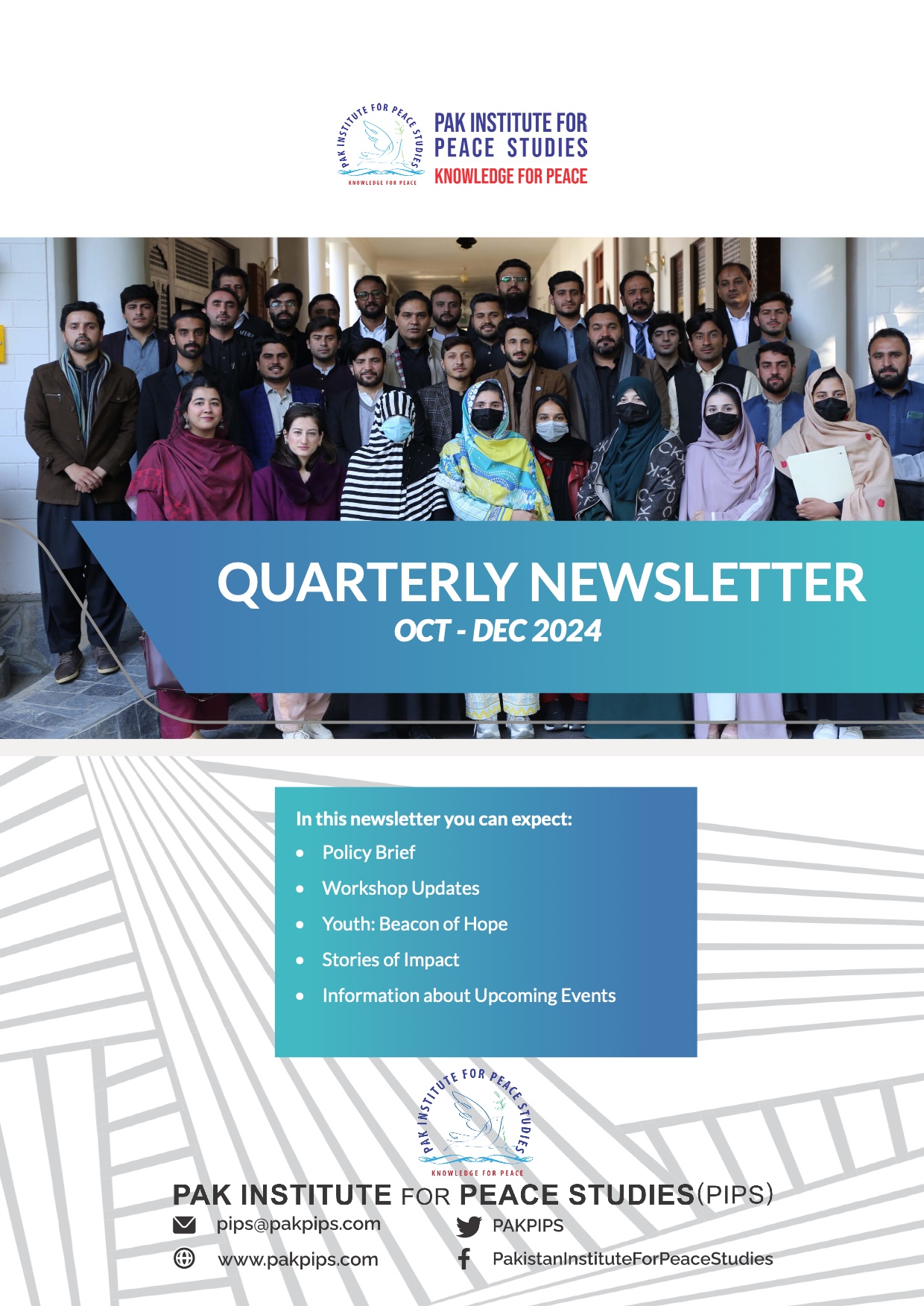
Quarterly Newsletter Oct – Dec 2024

Pakistan has a history of faith-based violence. The Constitution of Pakistan guarantees equal rights to all citizens including the right to protection of life, fair trial, freedom of expression, and the right to profess, practice and propagate the religion. However, these constitutional safeguards neither properly worked nor could ever be translated into actual liberties of … Read more