QUARTERLY NEWSLETTER | OCT-DEC 2025
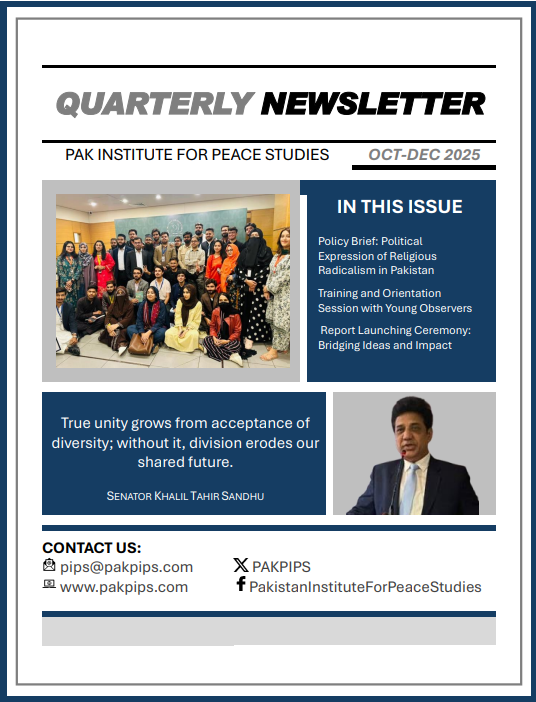
Over the past decade, religious radicalism in Pakistan has evolved from operating covertly through militant networks to asserting itself openly in the political sphere. Groups that frame their agendas as uncompromising religious imperatives have increasingly relied on mass mobilisation, street pressure, and selective participation in elections to gain concessions from the state and shape public … Read more
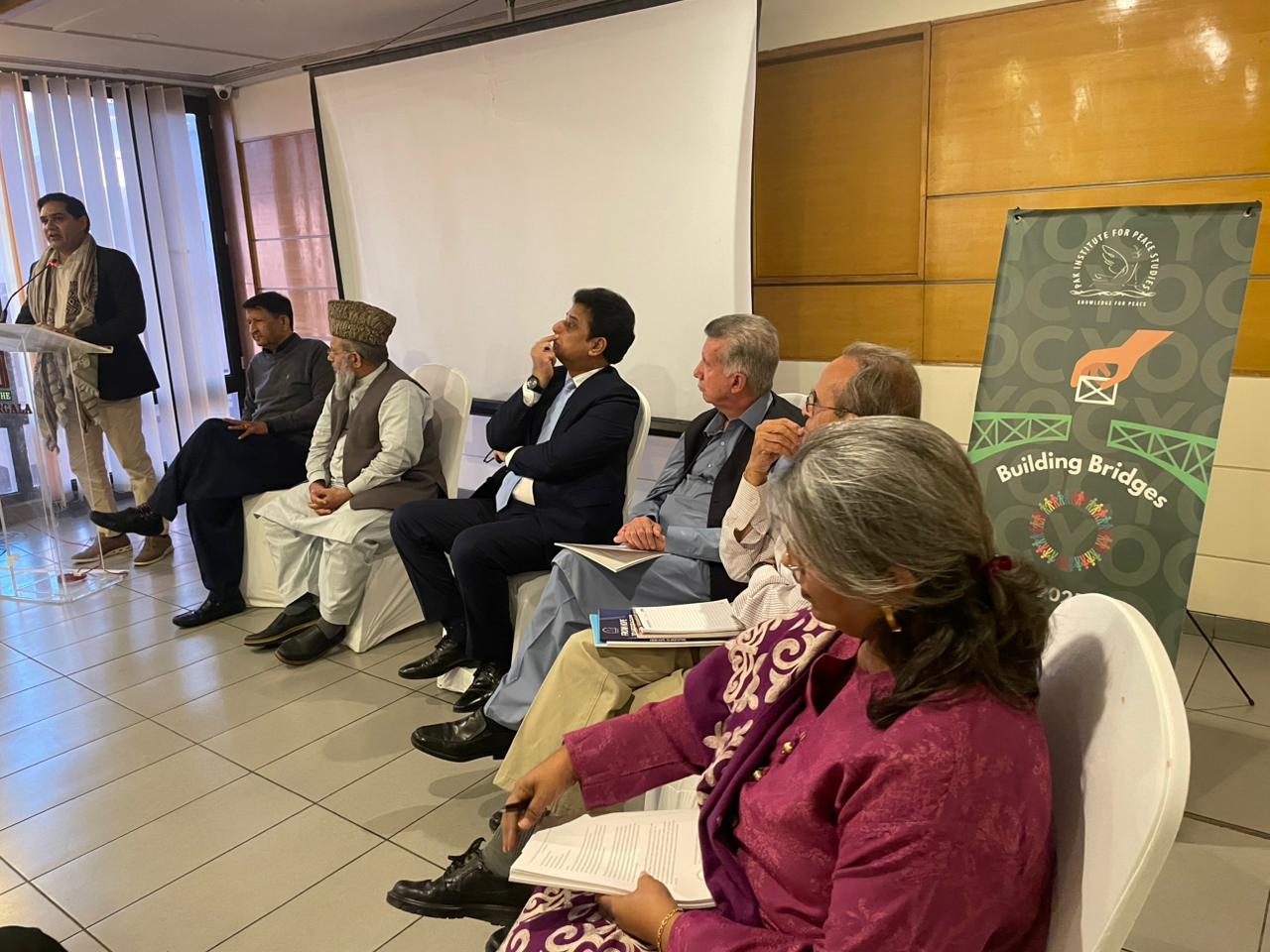
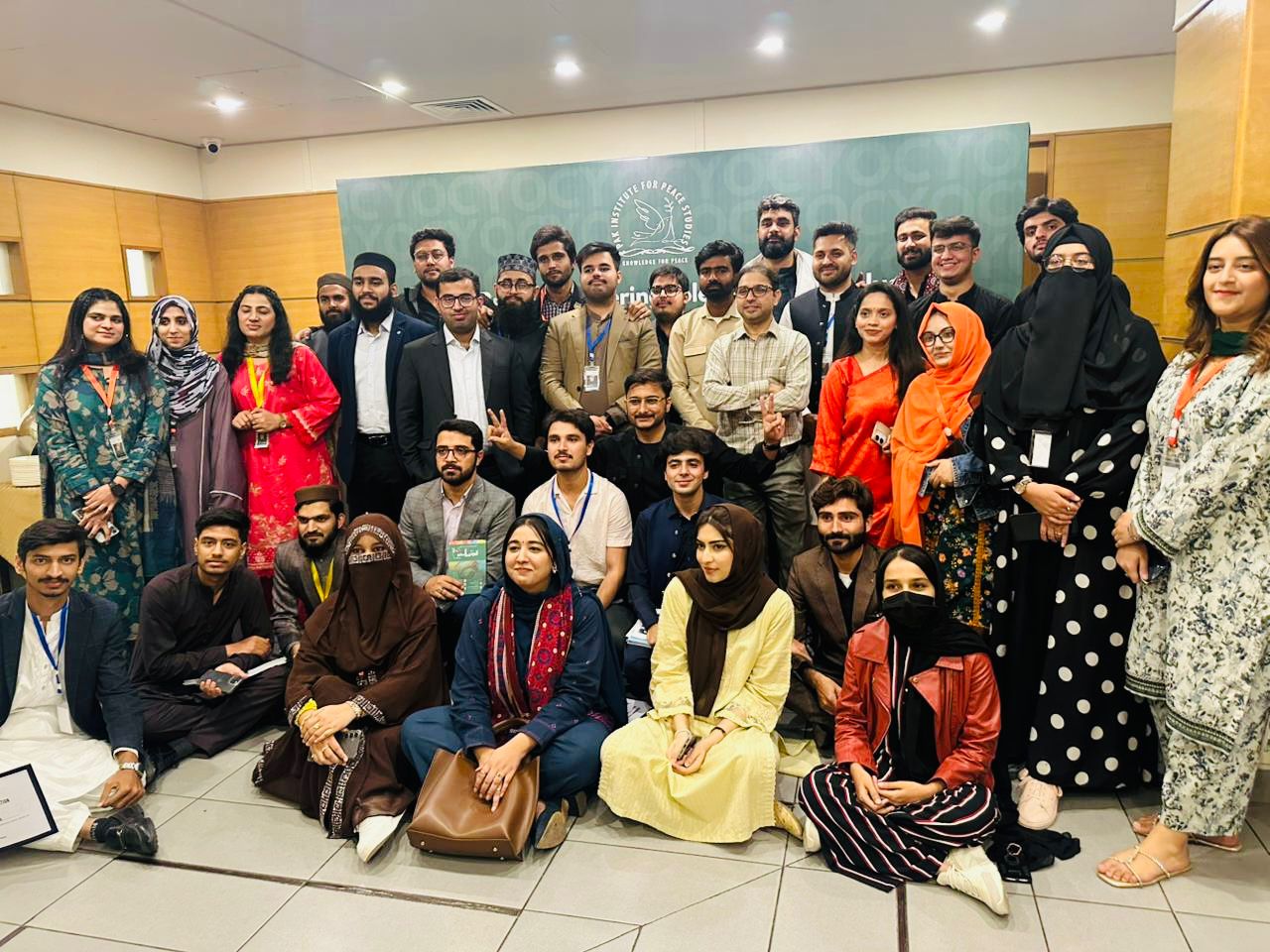
PIPS launches reports on youth pluralism, policymakers stress dialogue to curb extremism

The Pak Institute for Peace Studies (PIPS) launched its comprehensive national report, “Building Bridges: Fostering Tolerance and Inclusivity among Youth,” along with four provincial editions, on November 7 in Islamabad. Drawing on empirical insights from over 300 university and madrassa students, as well as peace activists from across Pakistan, the report explores youth perspectives on … Read more

Intolerance is rooted in deep-seated sociocultural and ideological biases, amplified by hate speech

The Pak Institute for Peace Studies (PIPS) organized a two-day national training and orientation workshop titled “Youth Observers Cohort” on November 6–7 in Islamabad. Around 40 young participants, including students, peace activists, and emerging faith and civil society leaders from across the country, took part in the event. The training aimed to equip them with … Read more

National Report

Youth radicalization in Pakistan is one of the most pressing challenges confronting the state and society today. With nearly two-thirds of the country’s population under the age of 30, the path that young people take will decisively shape the nation’s stability, security, and development. Radicalization, while not always violent, often manifests as intolerance, sectarian polarization, … Read more

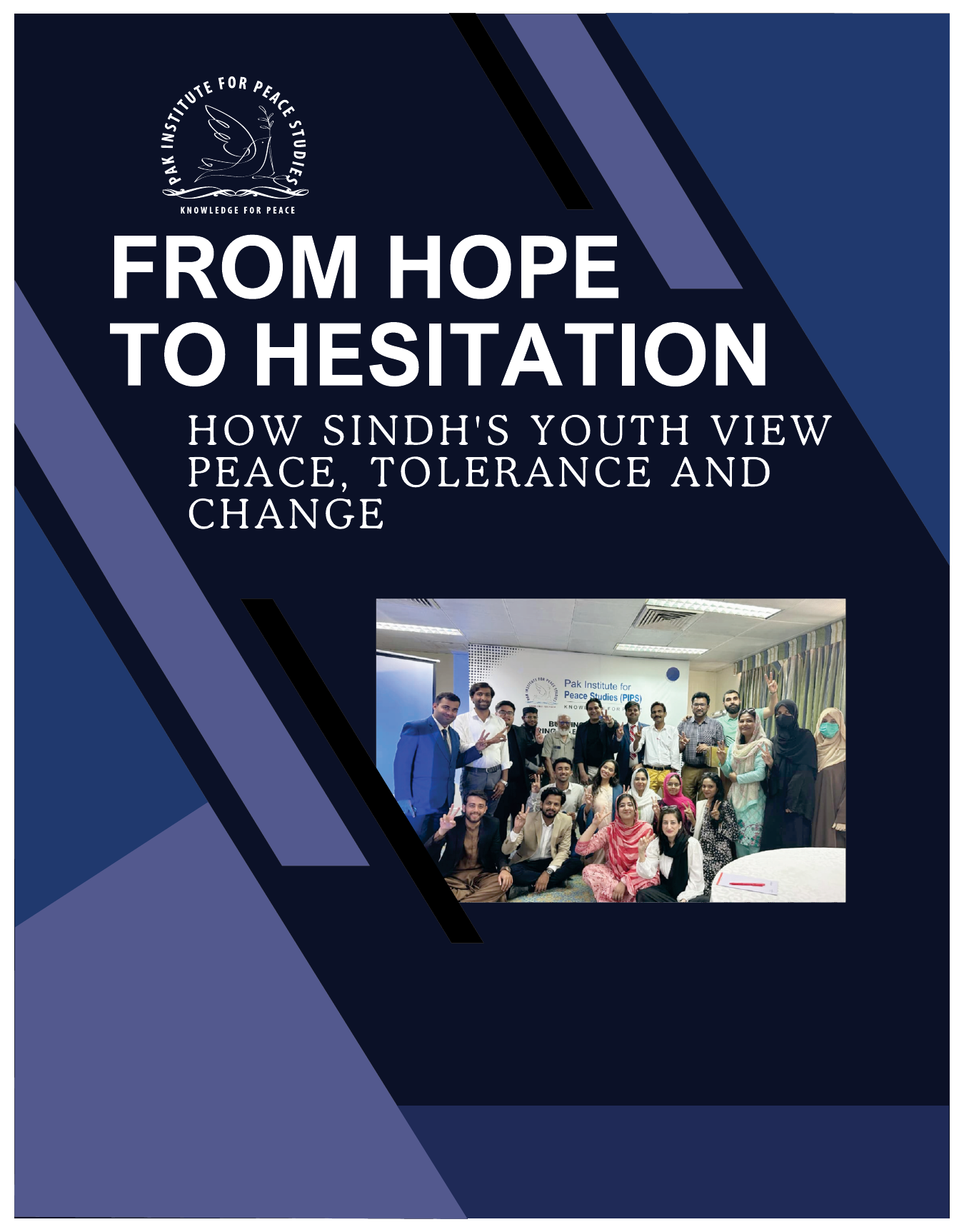
Sindh Report

This report, based on a mixed-methods study by the Pak Institute for Peace Studies (PIPS), reveals a profound paradox among educated Pakistani youth in Sindh: a generation that is personally optimistic about its future but deeply concerned about the state of society and the efficacy of its governing institutions. The study engaged 60 participants through … Read more

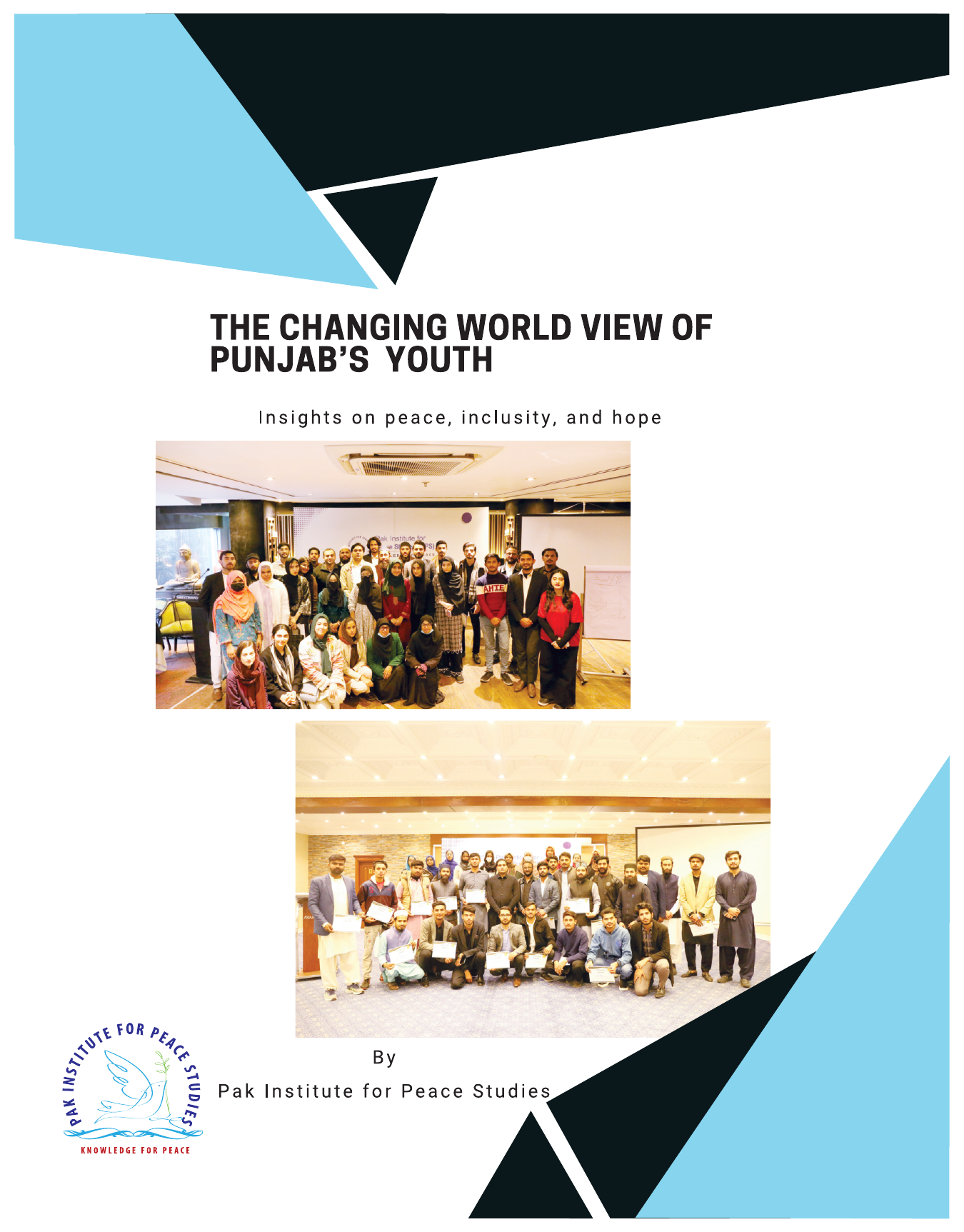
Punjab Report

This report presents the findings of a mixed-methods research study conducted by the Pak Institute for Peace Studies (PIPS) to assess the perceptions, attitudes, and worldviews of educated youth in Punjab concerning tolerance, inclusivity, and social cohesion in Pakistan. The study, undertaken in January-February 2025, combined quantitative survey data from 134 respondents from 196 participants … Read more

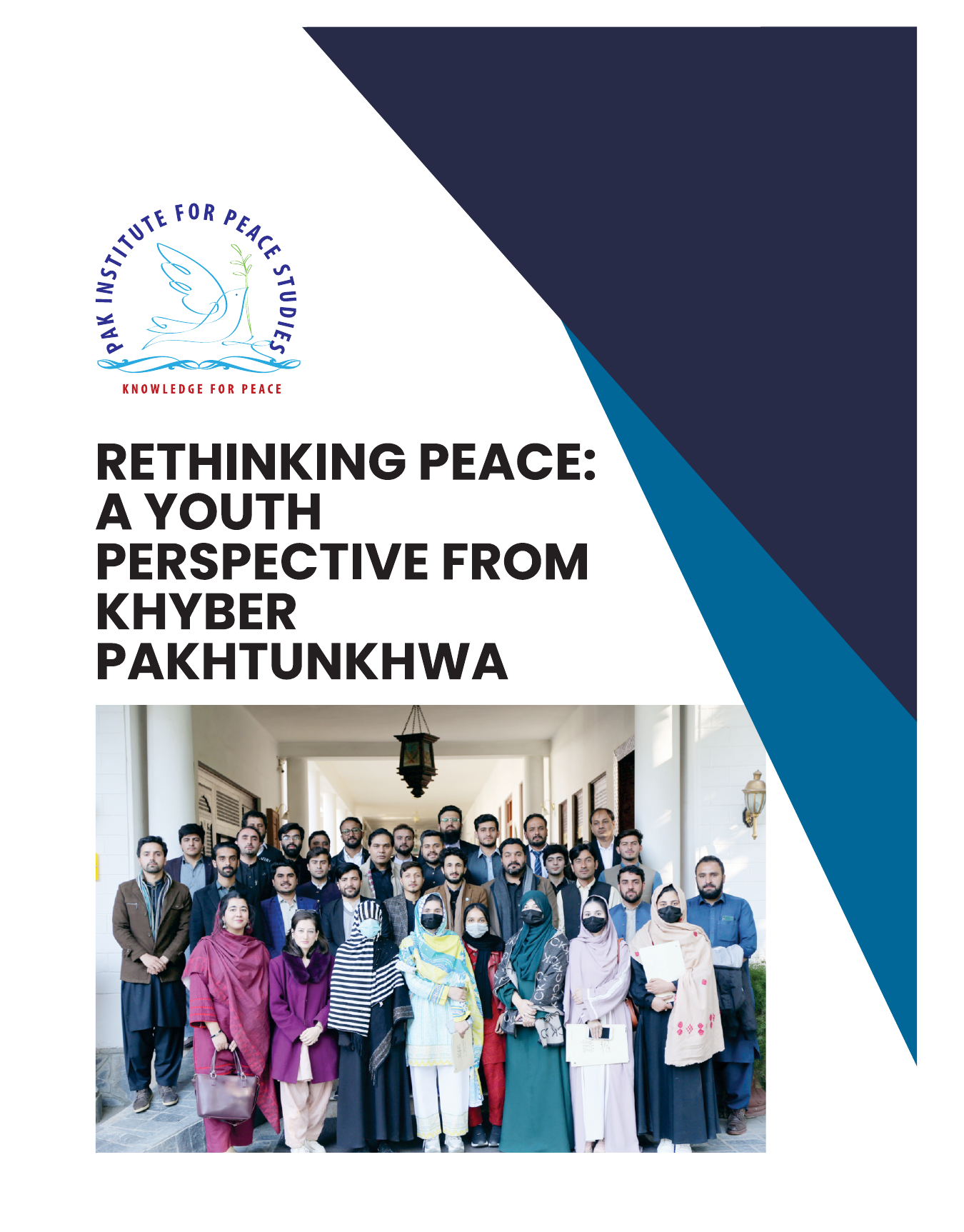
Khyber Pakhtunkhwa Report

This report is based on a comprehensive engagement with students and youth from Khyber Pakhtunkhwa. It draws on two two-day workshop-cum-dialogues, alongside extensive semi-structured surveys and interviews with participants. The purpose was to map and analyze young people’s perspectives on peace, harmony, and diversity, particularly their implications for minority communities and broader social cohesion. The … Read more

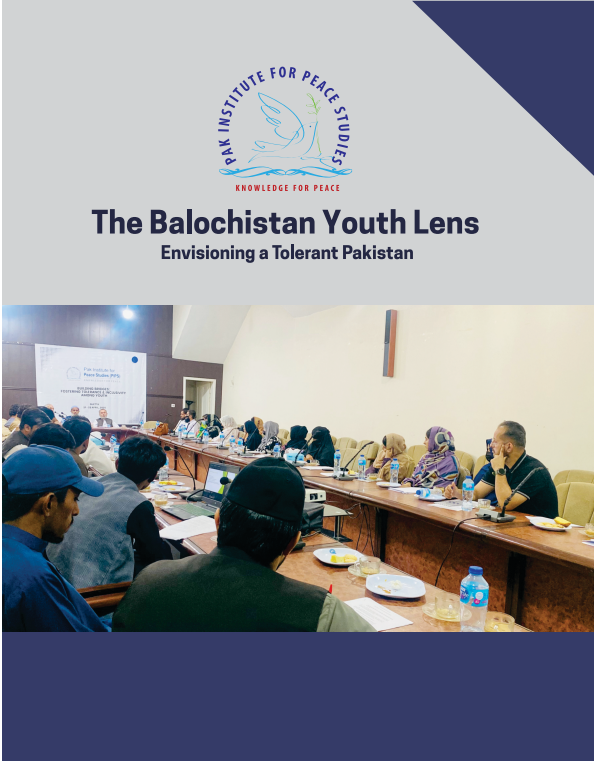
Balochistan Report

This survey study was conducted to assess general perceptions and social constructs regarding tolerance and inclusivity in society. It focused on critical issues associated with social structures, particularly concerning minorities and underrepresented groups. The findings provide insights into the attitudes of different demographics, especially youth from diverse backgrounds such as educators, students, human rights activists, … Read more

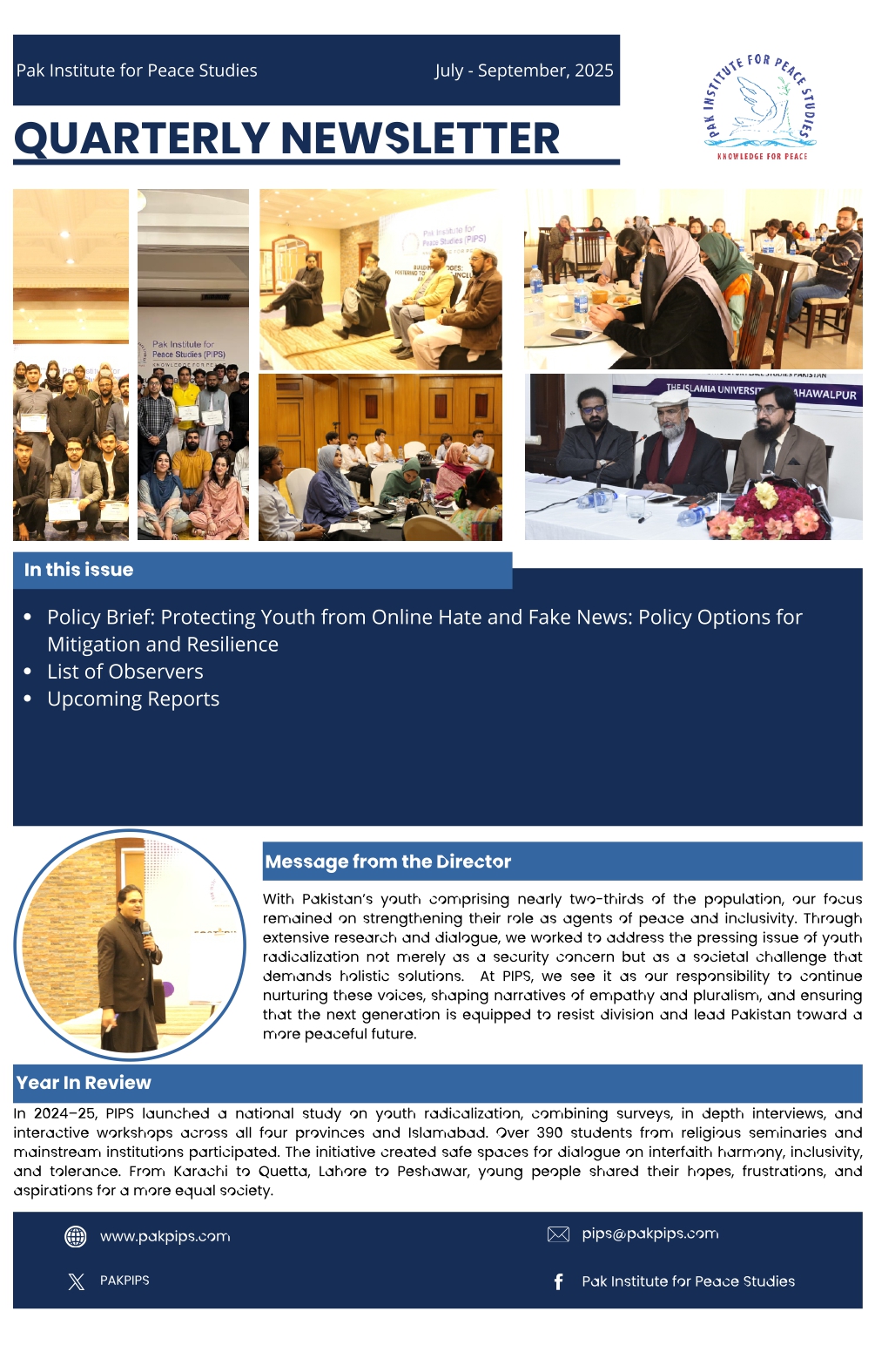
QUARTERLY NEWSLETTER | JULY-SEPTEMBER, 2025

With Pakistan’s youth comprising nearly two-thirds of the population, our focus remained on strengthening their role as agents of peace and inclusivity. Through extensive research and dialogue, we worked to address the pressing issue of youth radicalization not merely as a security concern but as a societal challenge that demands holistic solutions. At PIPS, we … Read more

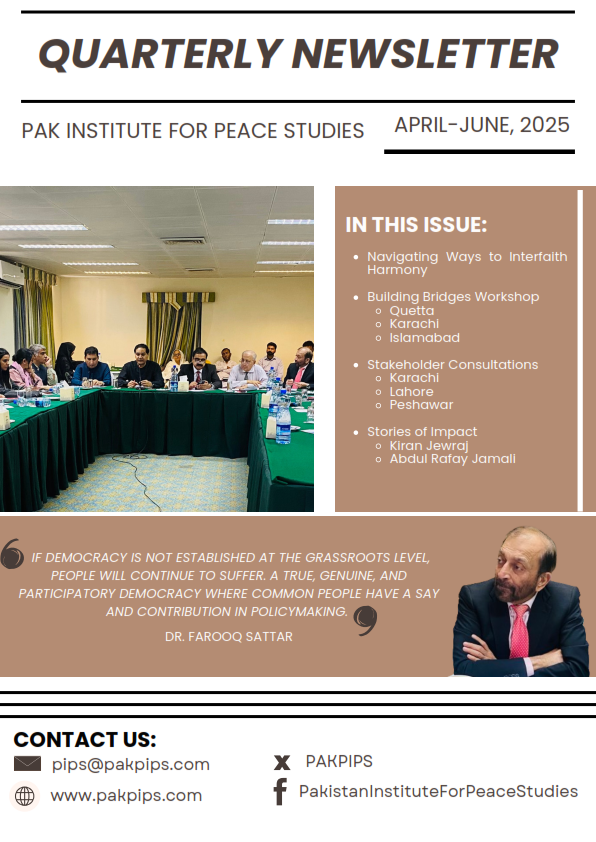
QUARTERLY NEWSLETTER | APRIL-JUNE, 2025

Freedom of religion or belief in Pakistan remains under serious threat, with religious minorities facing growing discrimination, violence, and the continued misuse of blasphemy laws. Despite some security at religious sites, targeted attacks persist, highlighting the need for more effective and comprehensive measures. Pak Institute for Peace Studies (PIPS) organized a stakeholder consultation in Karachi … Read more