Defining the Phenomenon of Radicalization in Pakistan
[embeddoc url=”http://www.pakpips.com/web_old/wp-content/uploads/2017/11/115.pdf” download=”all” viewer=”google” ]
 PIPS
PIPS
[embeddoc url=”http://www.pakpips.com/web_old/wp-content/uploads/2017/11/115.pdf” download=”all” viewer=”google” ]
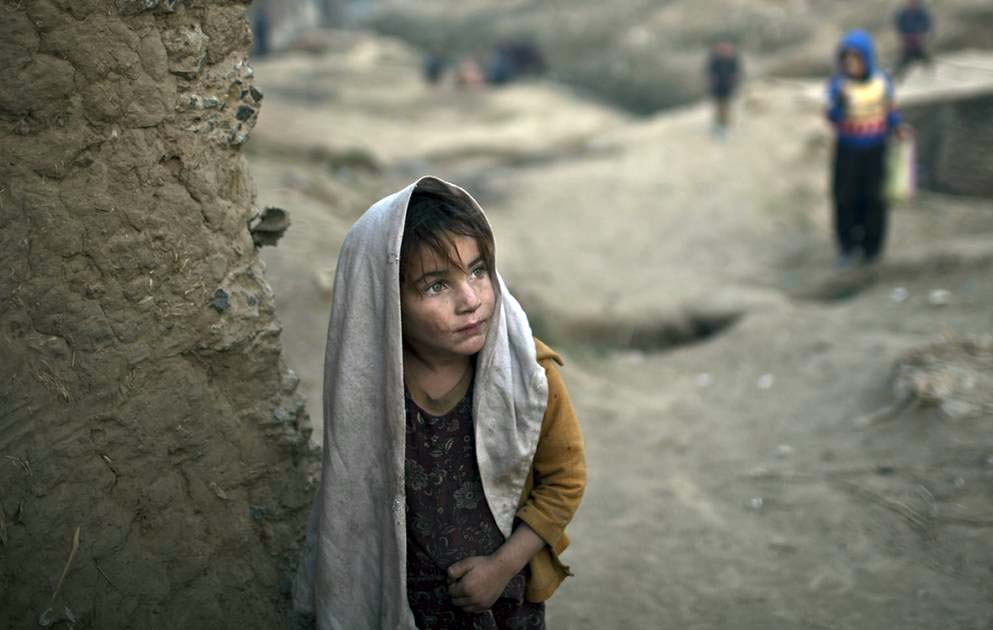
To understand the media narratives and journalists’ understanding of human rights reporting in Pakistan, the Pak Institute for Peace Studies (PIPS) conducted a survey with journalists and media representatives during July and October 2008. The purpose was to comprehend the patterns, quality, treatment and scope of media reporting on human rights issues, and explore the … Read more
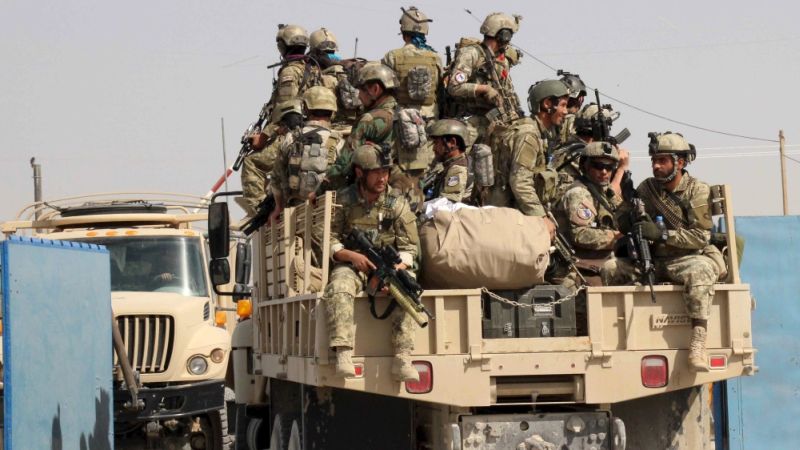
“Desire for revenge is also behind the violent activities. Non-violent means have been failed and something must be done. Improving domestic socioeconomic and political situation and reviewing foreign policy in terms of Afghanistan and Iraq is necessary,” remarked Mr. Stephan Tankel while addressing a session on “Radicalization in the West” on December 24 at the … Read more
“The west has tried to look at the issue of motivation of the radicalization of youth in Pakistan from a religious lens. We need to go away from this and look at non-religious factors, which may be contributing as a motivating force,” commented Dr. Riffat Hussein, who is a prominent scholar and professor at Quaid-i-Azam … Read more
Radicalism is not necessarily a religious phenomenon. It can happen in any ideological or secular leaning. It is secular. In fact, when Israel was created there was a group which was doing the same thing, i.e. creating terrorism, placing bombs, threatening the British and other forces to accept their demand. They practiced terrorism which culminated … Read more
“The radical groups and radicalization are undermining the norms and values of tolerance, co-existence, peace and pluralism in Pakistani society.” Hussain Naqi, National Coordinator for HRCP Core Groups, said this while giving his expert opinion in the PIPS media workshop on “Radicalization in Pakistan” on November 25, 2008, in Lahore. Mr. Naqi explained the tolerant … Read more
Starting from scratch on January 10, 2006, Pak Institute for Peace Studies (PIPS) has covered a lot of distance in the year 2006. In fact, if one looks over the shoulder, one realizes that, how so much could be achieved in such a short time. The institute, after overcoming its teething problems very quickly, has … Read more
The people we call radicals are alienated from rest of the society and don’t follow normative social and moral values. They are very vulnerable to be used by others. At the same time they have no motive of their own. They have never played any role for societal rights or any broader social change. These … Read more
“The principle of educating people of their human rights is to make them understand that they are not just ordinary entities or creations but rather, they are beings with human rights and human dignity,” said Jhune B. Pacis, who addressed a Workshop on Human Rights organized by PIPS in collaboration with Sungi Development Foundation, on … Read more
The International Institute for Strategic Studies (IISS) brought together over three hundred senior government officials, leading researchers, and many of the Institute’s influential members from around the world to discuss and address some of the world’s most critical issues at the 5th IISS Global Strategic Review (GSR), in Geneva from 7-9 September 2007. Pak Institute for … Read more