Pakistan: Monitoring the key regional powers (October 1 to December 16, 2014)

The purpose of this series of quarterly monitoring reports (2014) is to monitor and track the actions as well as public statements of five key STAP RP regional actors (India, Iran, Russia, China, SaudiArabia) on Pakistan; the development of, and their participation in relevant international and regional discussion meetings, including the Istanbul Process, Heart of … Read more
Experts reviewed PIPS media productions on interfaith harmony and coexistence

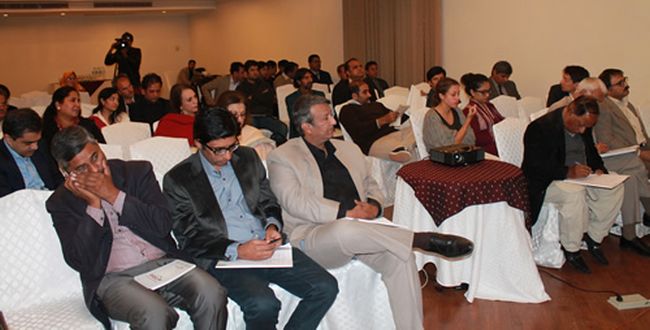
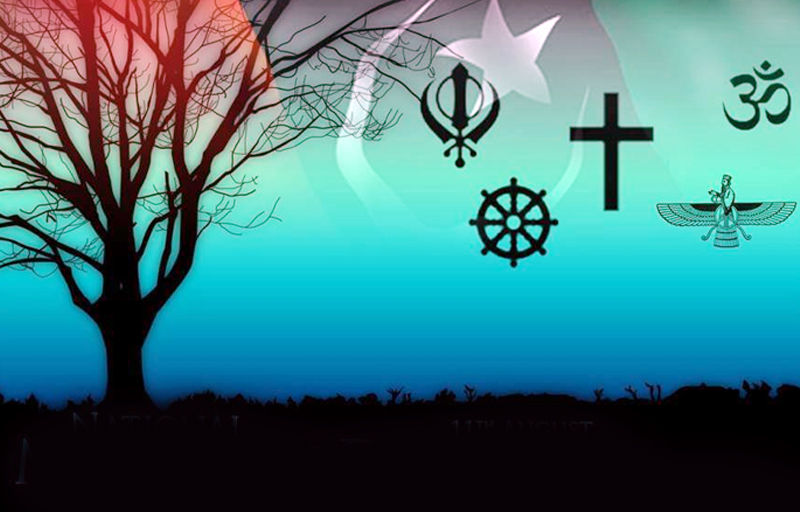
Scholars, experts and representatives of civil society and human rights organizations watched and reviewed some short films, documentaries and songs produced by Pak Institute for Peace Studies in collaboration with Narratives Pvt. (Ltd.) as part of its ongoing program “Creating an environment that supports interfaith harmony, peace and democratic discourse in Pakistan.” Screened in Islamabad … Read more

Minority rights in Pakistan : Historic neglect or state complicity?

This survey-based study conducted by Pak Institute for Peace Studies has revealed that Pakistan’s religious minorities believe they are not part of the larger political, social and cultural mainstream. The report has tried to understand the lives of religious minorities and their interaction with other communities in Pakistan through a countrywide survey with 327 respondents … Read more

Pakistan: monitoring the key regional powers (July 1 to September 30, 2014)

Jointly produced by PIPS and Barcelona Centre for International Affairs, famous as CIDOB, this quarterly monitoring brief (December 15, 2013 to March 31, 2014) tracks the actions as well as public statements of five key STAP RP regional actors (India, Iran, Russia, China, Saudi Arabia) on Pakistan. A part of CIDOB’s program, “the Sources of … Read more

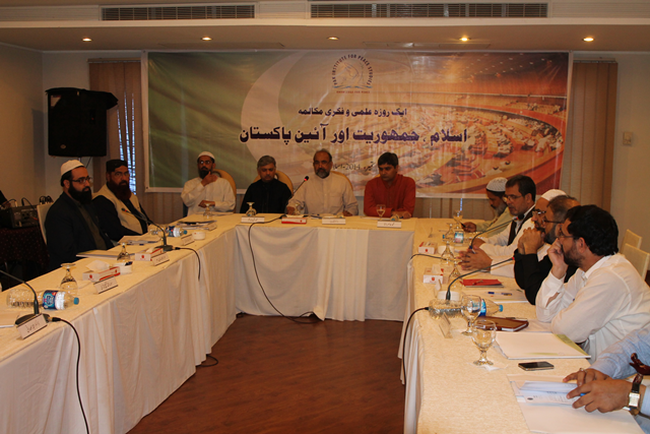
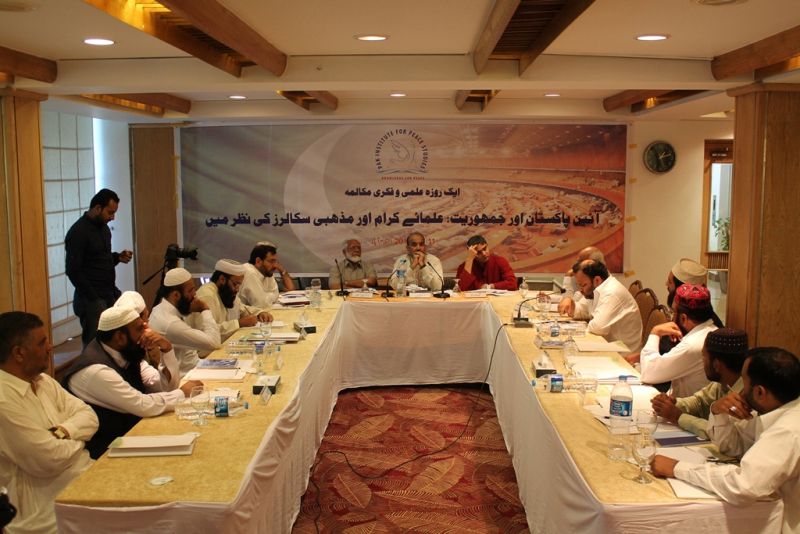
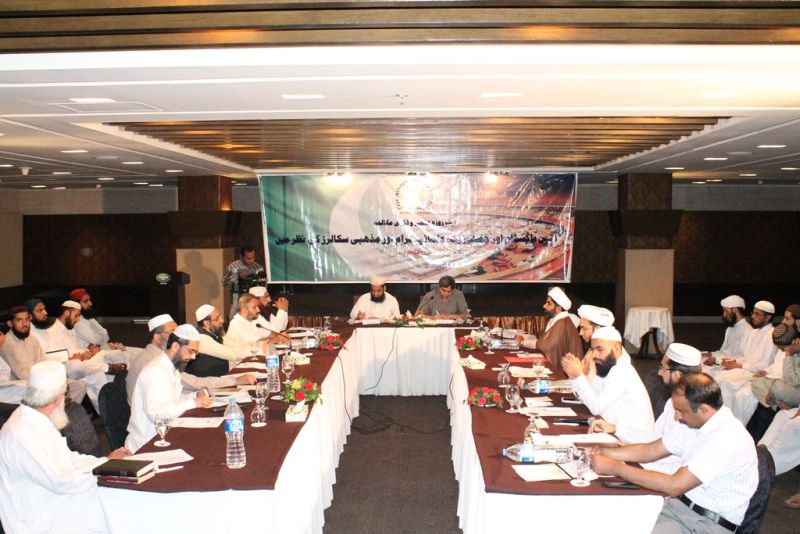
Constitution is supreme and all Pakistanis are bound to abide by it: Religious scholars

Pakistan’s Constitution is a national-level social contract and in the light of Islamic teachings every Pakistani is bound to abide by it. National-level disputes and conflicts, which are shared by all and not linked to certain religious sect or community, should be settled through the majority opinion. A minority cannot be granted the right to … Read more

Muslims should run their state affairs with mutual consultation and consensus: Religious scholars

Muslim jurists’ support for monarchy in times of discord, as an alternative system to Islamic caliphate, was based on their understanding that Islam does not provide a specific framework to run the state affairs. It has been left to Muslims to decide about their system of government with mutual consultation and consensus. Once a social … Read more

Islam puts great emphasis on justice, rights and rule of law: Religious scholars

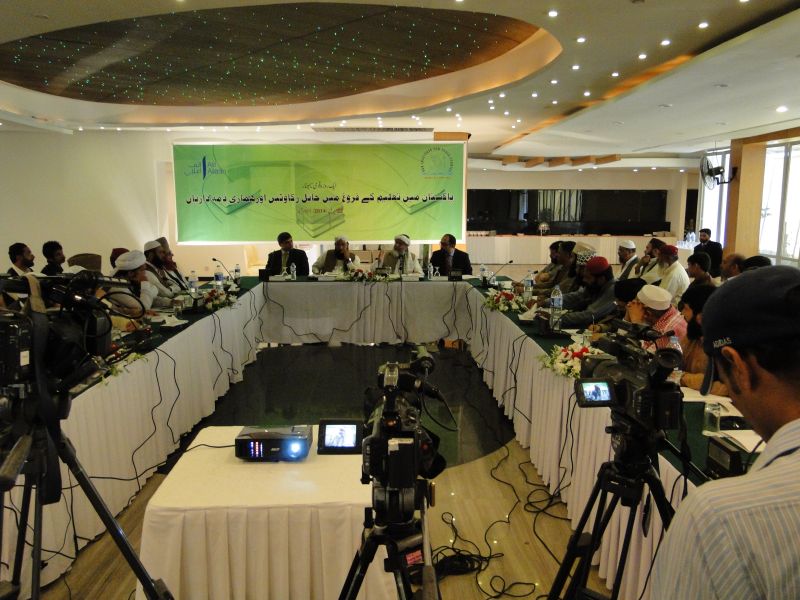
Islam has laid down some guiding principles on justice, rights and responsibilities, equality and rule of law, which should become the basis of any political system that undertakes to govern an Islamic state. In that regard democracy appears very close to Islam. These thoughts were expressed by leading religious scholars in a seminar on “Democracy … Read more

Islam does not support one kind of state system: Religious scholars

Religious scholars and religious-political parties will have to work for improvement in the current political system of Pakistan while staying within the country’s constitutional framework and system of government. Any system of government that is not based on social justice and fairness is opposed to one espoused in Islam. Islam does not support a single … Read more

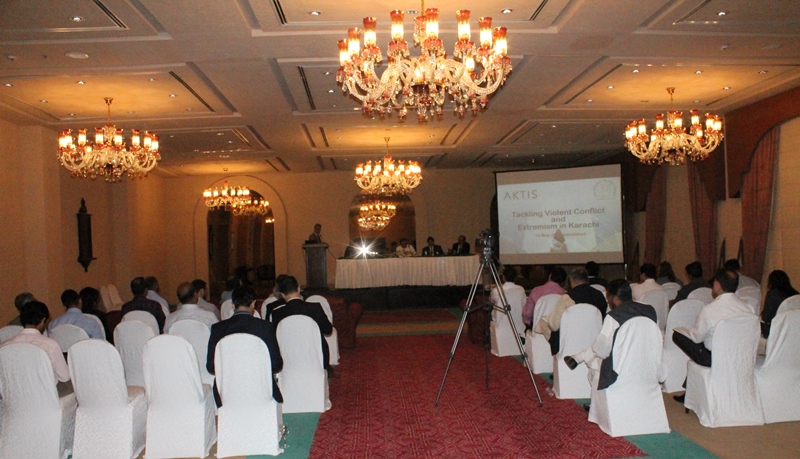
Tackling violent conflict and extremism in Karachi

Robust political will, enhanced operational capacity and depoliticizing of police force, and better coordination between law enforcement and intelligence agencies are imperative to effectively tackle the ongoing unrest and violence in Karachi. These views were expressed by speakers in a seminar on “Tackling violent conflict and extremism in Karachi” organized jointly by Pak Institute for … Read more

Obstacles in education prosperity in Pakistan and our responsibilities

The lack of political will and accountability, delay in formulating education policy, insufficient education budget, declining standards and commercialization are the major obstacles in education prosperity in Pakistan. The government, policymakers and politicians should focus the education sector in order to overcome the education emergency in Pakistan. This was the consensus among participants of a … Read more