QUARTERLY NEWSLETTER | JAN-MAR 2026

Pakistan’s Constitution provides explicit safeguards for religious minorities; however, a persistent gap remains between formal guarantees and lived realities. This implementation deficit has left non-Muslim communities vulnerable to discrimination, violence, and unequal treatment. Over time, the disconnect became politically untenable, particularly following major incidents such as the September 2013 Peshawar church bombing and the Supreme … Read more
Journalists should report conflict, not amplify it

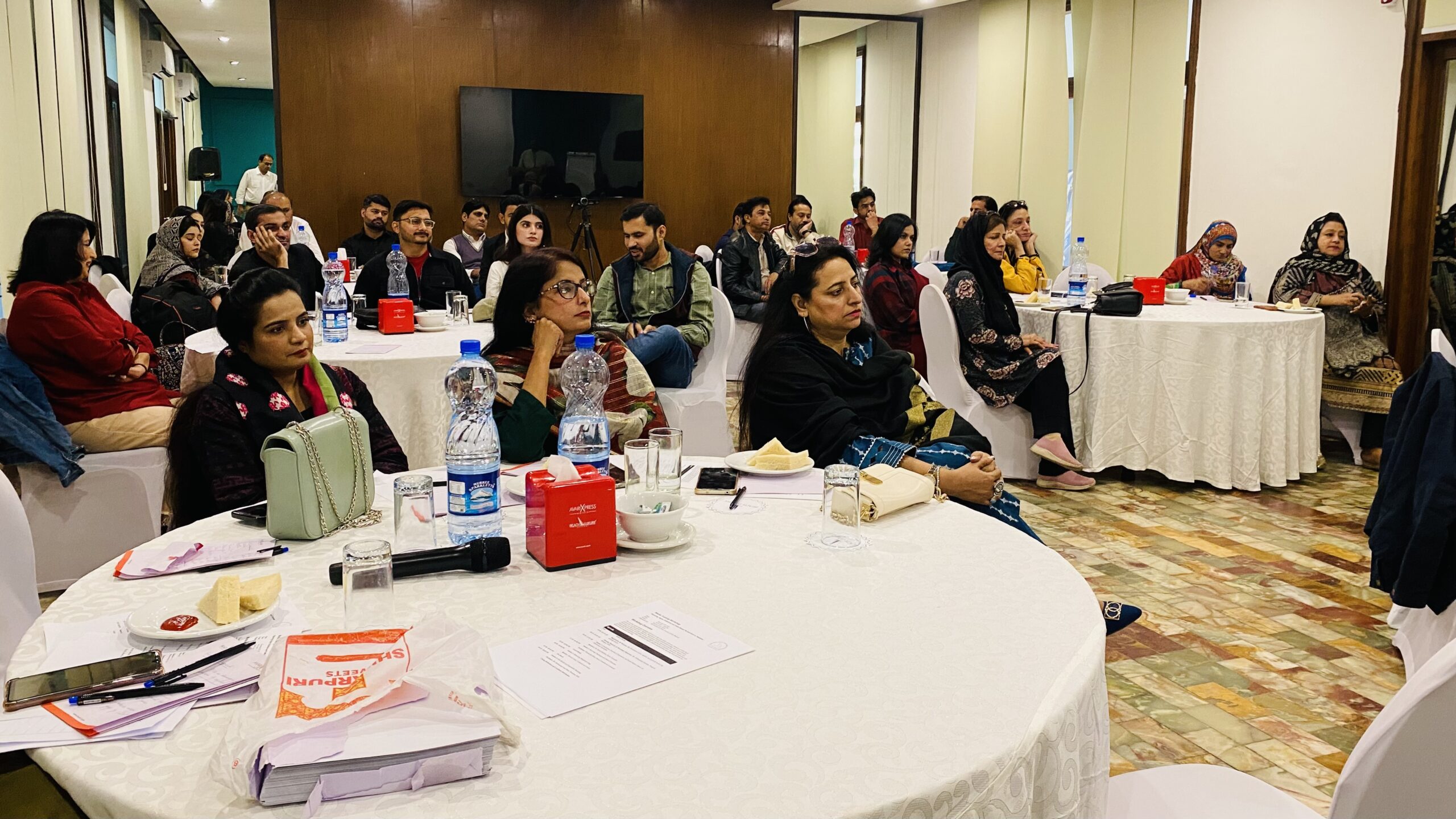
Peshawar—Speakers at a media workshop said that journalists must cover conflict with great care and responsibility to ensure they are reporting events, not inadvertently reproducing or amplifying the tragedy. The media experts and academics spoke at the session, “Reporting Rights Violations and Faith-Based Persecution in Pakistan”, organized by the Islamabad-based Pak Institute for Peace Studies … Read more

PAKISTAN SECURITY REPORT 2025

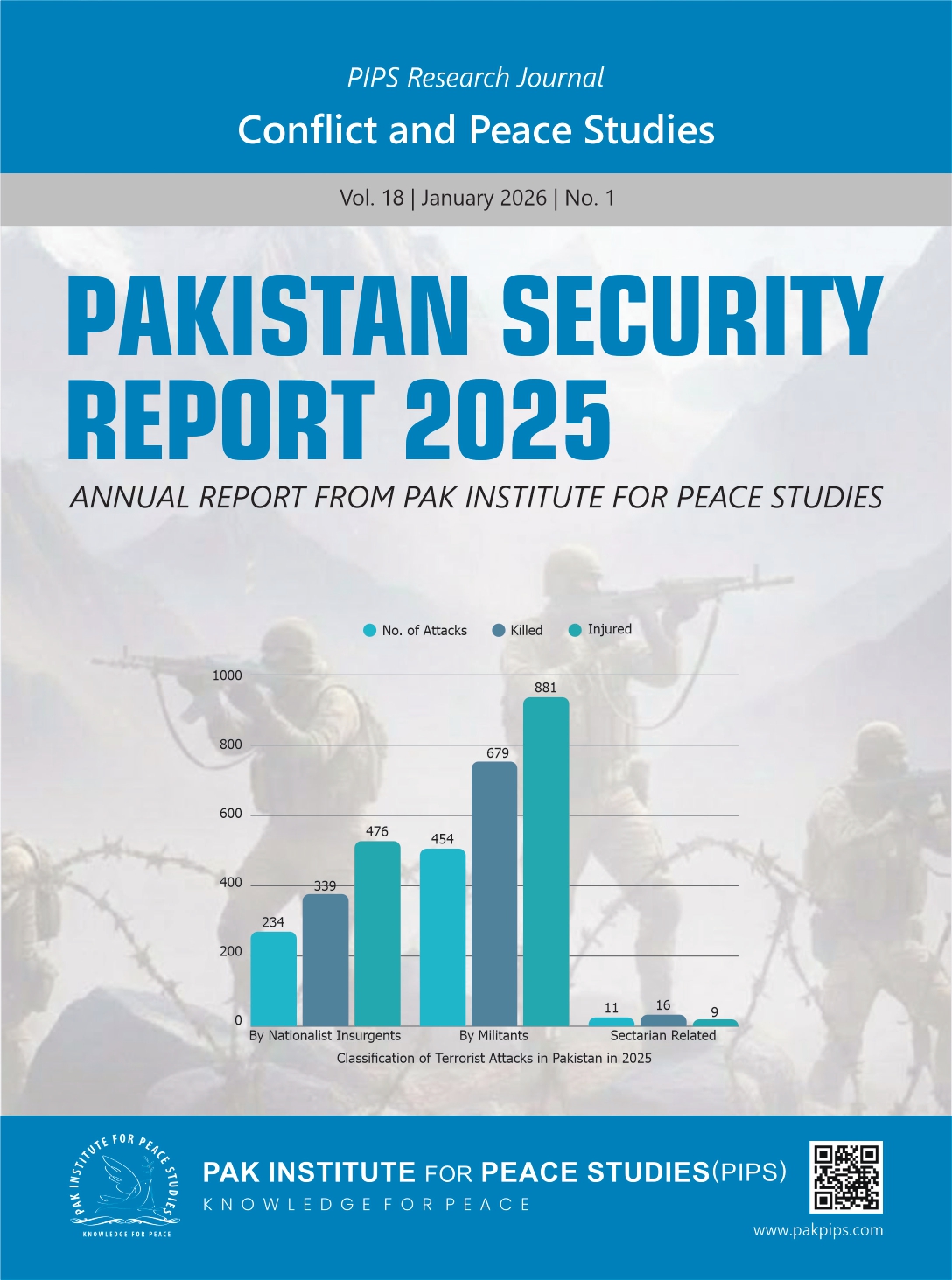
Pakistan witnessed a sharp surge in militant violence in 2025, with 699 terrorist attacks recorded countrywide – an increase of 34% compared to the previous year. This renewed wave of violence claimed at least 1,034 lives, marking a 21% rise in terrorism-related fatalities. In addition, 1,366 people were injured over the course of the year, … Read more

Engagement is essential for promoting social harmony

The Pakistan Institute for Peace Studies (PIPS) held an expert dialogue titled “Building Bridges: A Stakeholder Consultation on Tolerance and Inclusivity” on December 6, at Shah Abdul Latif University, Khairpur, Sindh. The consultation brought together academics, journalists, lawyers, human rights activists, government representatives, members of minority communities, civil society actors, and local peace committee members … Read more

Pakistan witnessed 34 per cent increase in terrorism in 2025: PIPS Annual Security Report

Militancy intensifies despite record 1,313 militants killed in military operations and clashes with security forces. Islamabad—Despite record militant deaths, Pakistan saw a sharp escalation in militant violence in 2025, with terrorist attacks rising by 34 per cent and terrorism-related fatalities increasing by 21 per cent year on year. As many as 699 terrorist attacks were … Read more

FGD: Security Landscape of Pakistan

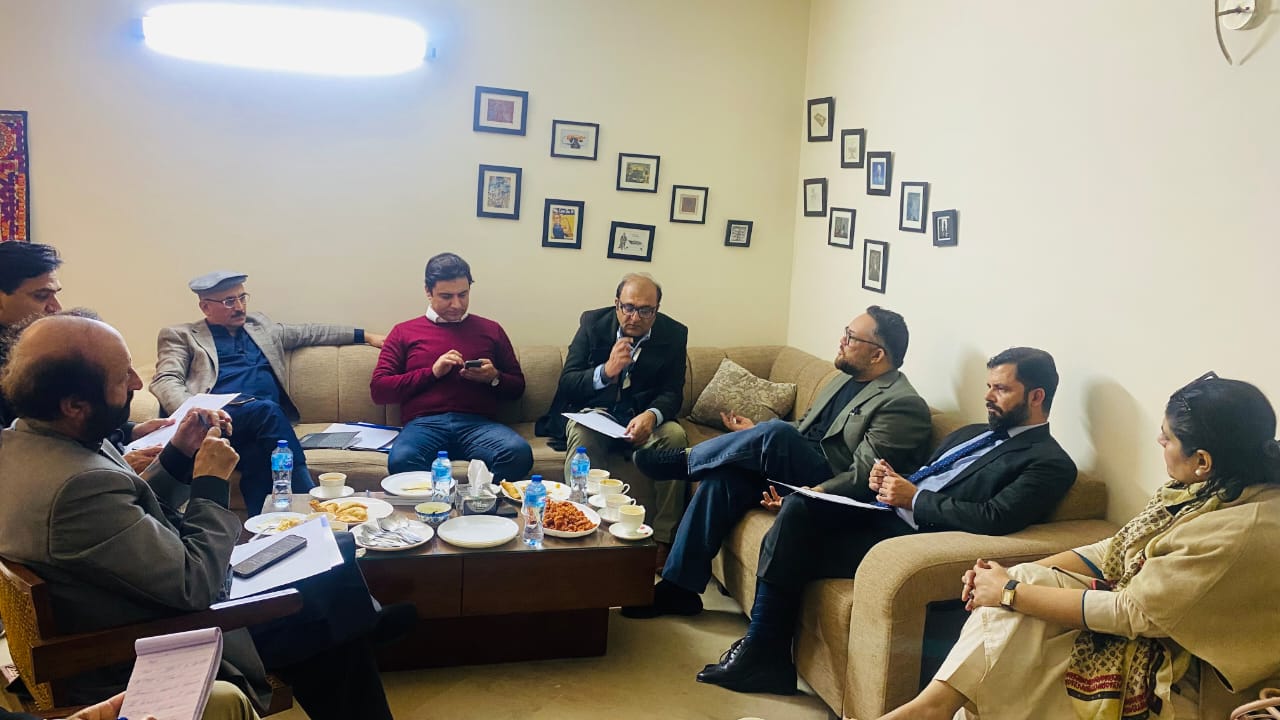
Pak Institute for Peace Studies (PIPS) held a focus group discussion at its office premises on December 22, 2025, as part of consultations for its Annual Security Report. It focused on the evolving security landscape connected to Afghanistan, militancy trends inside Pakistan, and forward-looking risks for 2026. Security threats from Taliban-led Afghanistan This topic examined … Read more

PIPS Trained Karachi Journalists in Ethical, Responsible Reporting

Pak Institute for Peace Studies (PIPS) organized a media training workshop titled “Reporting Rights Violations and Faith-Based Persecution in Pakistan” on December 8, 2025, in Karachi. The workshop brought together journalists and social media content creators to enhance their understanding of the sensitivities involved in reporting faith-based persecution and human rights violations, with a particular … Read more

Data-Driven Journalism for Promoting Harmony and Tolerance

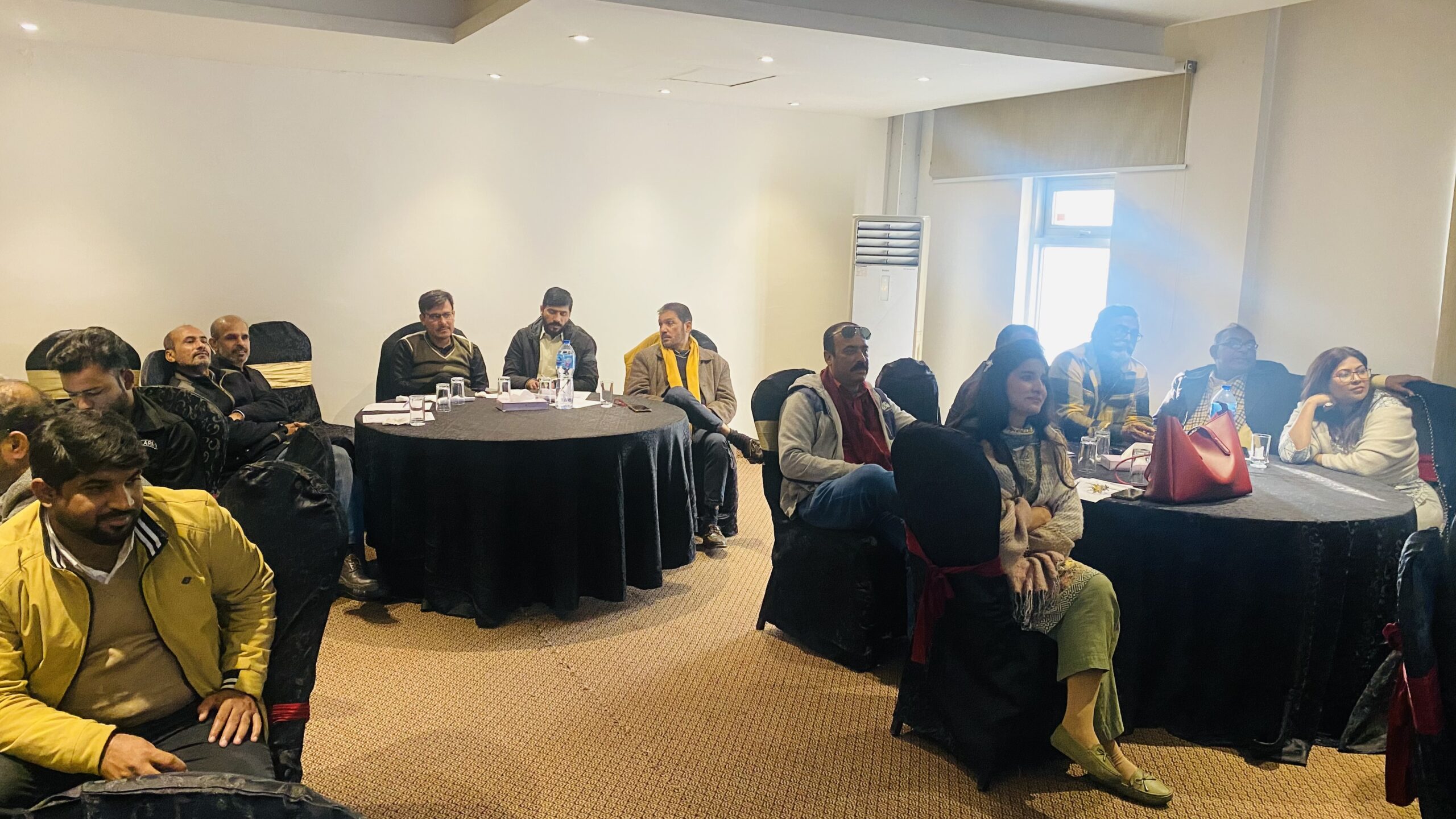
The Pak Institute for Peace Studies (PIPS) organized a media training workshop titled “Reporting Rights Violations and Faith-Based Persecution in Pakistan” on December 16, 2025, in Lahore. The workshop brought together journalists and social media content creators to enhance their capacity for ethical, objective, and data-driven reporting on human rights violations and faith-based persecution in … Read more

Shared humanity, not religious affiliation, to define respect and coexistence

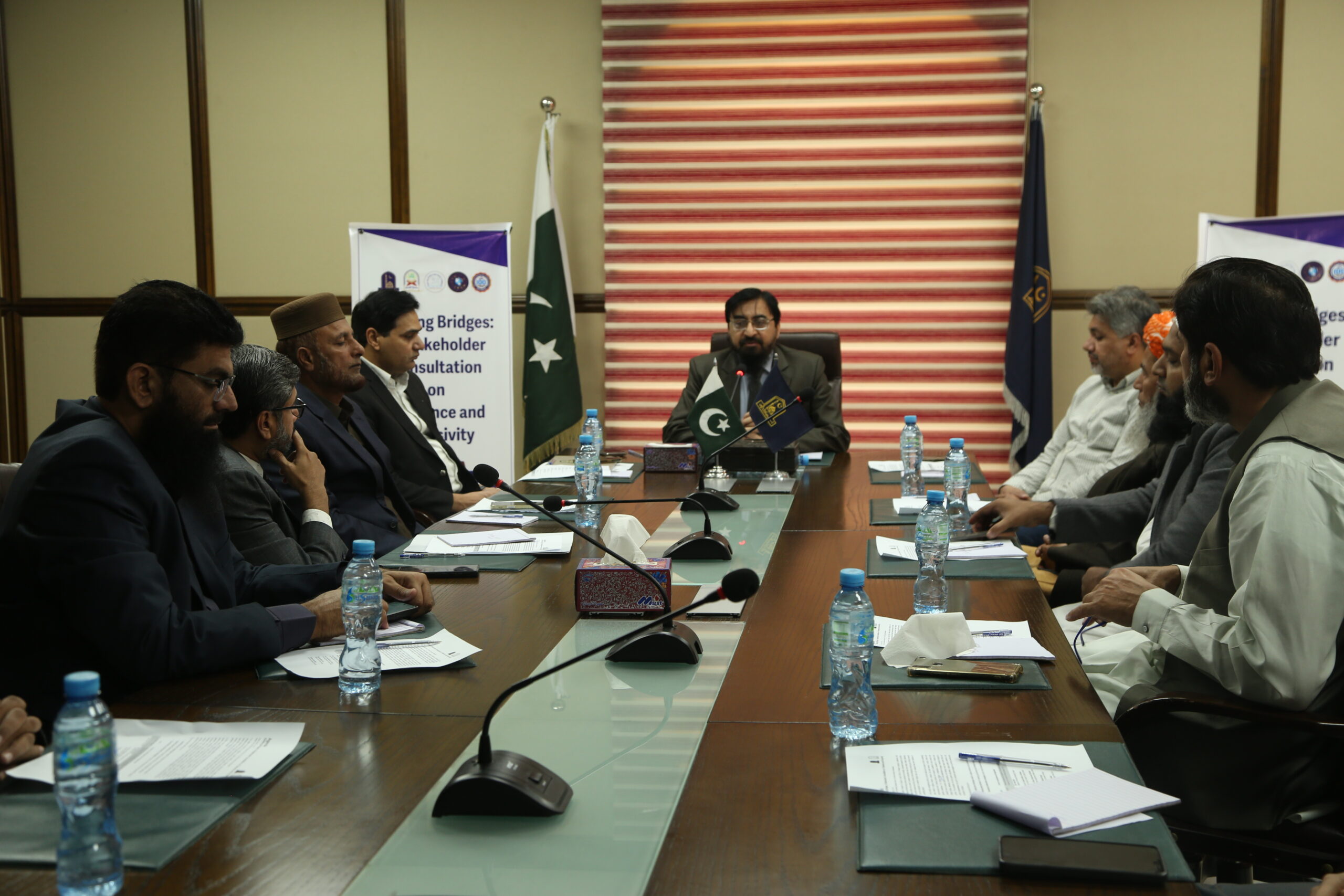
The Pak Institute for Peace Studies and the Department of Quranic Studies of the Islamia University Bahawalpur organized a policy consultation titled Building Bridges: A Stakeholder Consultation on Tolerance and Inclusivity at Islamia University Bahawalpur on December 12, 2025. Distinguished experts and panelists representing academia, policymakers, civil society, and religious scholars shared their expert opinions … Read more